
The Art of Guitar Painting: A Colorful Journey
· Wolf
Overview
Explore the evolution of guitar painting, from its historical roots and early finishes to modern techniques like airbrushing and digital printing. Discover how aesthetics influence sound quality, the role of sustainability, and the emotional connection musicians have with their instruments. Learn about guitar refinishing processes and the future of artistic expression in guitar craftsmanship. Embrace your creativity and let your guitar reflect your musical journey.
Frequently Asked Questions
1. What are the historical roots of guitar painting?
2. How did the introduction of nitrocellulose lacquer change guitar finishes?
3. What are some modern techniques used in custom guitar painting?
4. How does the finish of a guitar affect its sound quality?
5. What is the process of guitar refinishing?
6. What is the target audience for customized painted guitars?
7. What are key considerations for creating an outstanding product offering?
8. How can I optimize my Shopify store for search engines?
9. What role does social media play in promoting customized painted guitars?
10. How can I build trust with customers when selling online?
11. Why is it important to document my guitar painting process on social media?
12. What platforms are recommended for sharing my guitar painting journey?
13. What should I prepare before starting to document my painting process?
14. How can I enhance the quality of my photos and videos during the painting process?
The guitar has long been more than just an instrument; it’s a canvas for self-expression. Over the decades, various painting techniques have evolved alongside technological advancements, enabling luthiers and hobbyists alike to create stunning guitar finishes. From the early days of solid colors to today's intricate designs, the history of guitar painting techniques showcases creativity and innovation. In this article, we will explore the journey of guitar painting, focusing on its historical roots, evolution, and how it connects to other guitar craftsmanship like guitar refinishing and the importance of interior elements such as Telecaster guitar pickups.
The Origins of Guitar Painting
In the beginning, guitars were often crafted from natural wood, leaving them with a rustic appearance. Luthiers focused on enhancing the wood’s grain rather than adding complex finishes. However, as popular music evolved, so did the visual demand for more vibrant and stylized instruments.
The Early Days of Finishing
In the late 19th century, European craftsmen began to experiment with varnishes and lacquers to protect wooden instruments. These early finishes were primarily functional, as they prevented damage from moisture and wear. However, they soon allowed for stylistic expression that began to define different manufacturers' guitars. During this time, manufacturers started to offer various colors and tones, paving the way for the artistic endeavors that would follow.
The Rise of Color in the 20th Century
The 20th century saw a massive explosion of guitar innovation. With the emergence of iconic brands, players wanted their instruments to reflect their musical identity. The use of color in guitar finishes became a statement in its own right. Louis Electric Guitars and Fender began using bold colors that aligned with the rock 'n' roll culture of the time.
Introduction of Nitrocellulose Lacquer
In the 1950s, manufacturers began using nitrocellulose lacquer, a popular choice for its fast-drying properties and durability. Nitrocellulose allowed for deep, glossy finishes that emphasized the wood grain while offering an extensive palette of colors. This period introduced some of the most iconic finishes in guitar history, including the famous ‘Fiesta Red’ and ‘Surf Green.’
The Significance of the Telecaster
One of the most notable guitars from this era is the Telecaster, introduced by Fender in 1950. The Telecaster, with its distinct shape and rich tone, became a favorite among musicians. As its popularity surged, players sought custom aesthetics to match their sound. Thus, guitar refinishing became a burgeoning field, leading to artists customizing their Telecaster guitar pickups’ performance and the instrument's overall look.
Techniques of Custom Guitar Painting
As guitar culture grew, so did the methods used to paint them. Artists have developed numerous techniques influencing how guitars are finished and customized. Let's explore some of the most prominent painting methods that showcase guitar artistry.
Airbrushing Techniques
Airbrushing emerged as a favored method for guitarists looking to create detailed designs. This technique allows artists to blend colors smoothly and produce intricate images, including portraits, landscapes, and abstract art. Many famous guitars adorned with elaborate airbrush graphics have become legendary in rock and pop culture.
Graphic Overlay and Decals
Decals and graphic overlays gained popularity in the 1970s and 1980s. This technique allows for complex designs and branding without the labor-intensive task of painting each instrument by hand. Manufacturers would apply intricate graphics directly onto the guitar's finish, creating a unique aesthetic while leaving room for different paint finishes underneath.
Relic and Aging Techniques
The relic approach has become incredibly popular among players who prefer a vintage look without the wear and tear associated with age. This technique involves artificially aging the guitar's finish to mimic the feel of a well-loved instrument. Relic finishes often expose the wood beneath, offering character and appeal to guitarists who value authenticity.
The Modern Era of Guitar Painting
With the advent of technology and the changing landscape of music, the methods of guitar painting have evolved. However, the core principles remain consistent—creativity, attention to detail, and a commitment to craftsmanship.
The Role of Sustainability
Today, some luthiers are focused on sustainability by using eco-friendly paints and finishes. Knowing the environmental impact of certain materials, many craftsmen opt for water-based lacquers and non-toxic finishes. Not only do these methods benefit the environment, but they also provide a unique look and feel to each guitar.
Incorporating Technology and Innovation
Digital printing technology has also made waves in guitar painting. With the ability to create high-resolution images directly onto the guitar body, artists and manufacturers can achieve extraordinary detail. This matches the intricate designs often seen in modern art, bringing a new layer of creativity to guitar aesthetics.
The Interplay with Guitar Components
As guitar painting techniques have evolved, so has the connection between aesthetics and functionality. The visual appeal of a guitar can enhance the overall performance experience, particularly with technical aspects like Telecaster guitar pickups and electronics.
Finishes and Sound Quality
While many players focus on sound and comfort when choosing their guitars, the finish can influence the tone. The type of finish can affect how resonance travels through the wood. For example, heavier finishes may dampen the natural vibrations of the wood, altering the tonal quality. Those seeking rich, authentic sound often notice such differences, emphasizing the necessity of both visual and auditory appeal.
Emotional Connection
A guitar's aesthetic plays a significant role in the player's emotional connection to their instrument. Many musicians believe that the look of their guitar can inspire creativity and performance. A stunning finish may spark ideas during songwriting, connecting the musician with their art and their audience.
The Final Touch: Guitar Refinishing
For those who love their guitars but seek a fresh look or additional enhancement, guitar refinishing becomes a practical solution. This process can revitalize an aging instrument, making it feel brand new while retaining its historical essence. Refinishing allows for artistic expression and functional enhancements, helping guitarists obtain their dream instrument.
Steps Involved in Guitar Refinishing
Guitar refinishing generally involves several steps that ensure the final product meets the player's expectations:
- Strip the Old Finish: The current finish is removed using chemical strippers, sandpaper, or heat techniques, unveiling the underlying wood.
- Prepare the Surface: Once stripped, the surface is sanded to create a smooth finish, ready for the new coat.
- Choose the Finish: Depending on the desired outcome, options include nitrocellulose lacquer, polyurethane, or oil finishes.
- Apply the Finish: The new finish is carefully applied, allowing each coat to dry and be sanded between applications.
- Finalizing Touch: After achieving the desired thickness and polish, a final buffing completes the refinishing process.
Understanding Your Target Audience
The foundation of any successful online business is understanding your customers. For custom-painted guitars, your target audience may vary from amateur musicians to professional players seeking something unique. Knowing their preferences, playing styles, and what makes them tick can give you an edge.
Identify Key Demographics
- Musicians: Guitarists looking for a unique touch on their instrument.
- Collectors: Individuals who appreciate art in music and wish to have a one-of-a-kind guitar.
- Gift Shoppers: Friends or family who want to surprise musicians with personalized gifts.
Conduct Customer Research
Utilize tools like surveys, social media polls, and direct inquiries to gather data about your potential buyers. What designs resonate with them? What colors do they prefer? Make sure your marketing and product offerings reflect this feedback.
Creating an Outstanding Product Offering
Having a quality product is essential. For a successful customized painted guitar, consider these elements:
Artistic Design
Art is subjective, and so is design. Collaborate with talented artists or leverage your own artistic capabilities to create visually appealing designs. Think of themes, color schemes, and personalizations that would attract attention. Remember, quality paint jobs can make even a basic guitar look stunning.
Quality Guitar Refinsishing Services
Many musicians value the importance of a quality instrument. Partnering with skilled luthiers who specialize in guitar refinishing is critical. This ensures your customized painted guitars not only look great but sound amazing too. For instance, if you're offering modifications on models like the Mythic Odyssey Solstice Tele Neck SC, ensure the refinishing process enhances playability and functionality.
Optimizing Your Shopify Store for Search Engines
Having a visually appealing store isn't enough; you need to ensure it ranks on search engines. Incorporating effective SEO strategies will drive organic traffic to your Shopify site. Here are some actionable tips:
Keyword Integration
Incorporate relevant keywords naturally throughout your content. Think about terms like "guitar refinish" or "customized painted guitars." Use these keywords in titles, product descriptions, and throughout your blog posts. Remember, stuffing keywords can harm your rankings, so focus on natural usage.
High-Quality Product Descriptions
Your product descriptions should be both informative and persuasive. Focus on the benefits and features that set your customized painted guitars apart from the rest. Make sure to include specific terms like “Mythic Odyssey Solstice Tele Neck SC” to attract niche markets seeking specific models.
Utilizing Social Media for Promotion
Social media can be a great ally in growing your brand. Visual platforms like Instagram and Pinterest are particularly effective for promoting artistic products like customized painted guitars. Here’s how to utilize them:
Showcase Your Work
Post high-quality photos and videos of your painted guitars. Use engaging captions to describe your process and the story behind each piece. Behind-the-scenes material can create excitement and devote customers to your craft.
Engage with Your Followers
Answer questions, accept suggestions, and respond to comments to create a community around your brand. Encourage satisfied customers to share photos of their purchases and tag your account.
Offering Custom Orders
Allowing customers to create their designs can set your business apart. Here are a few considerations for managing custom orders:
Simple Order Process
Design a clear and user-friendly order form on your website. This might include sections for color preferences, design requests, and even examples of previous work. Simplifying this process allows customers to engage without confusion.
Set Realistic Timelines
Communicate clearly about potential timelines for custom work. Glitches can occur during the design or refinishing processes, so provide estimates that manage customer expectations while ensuring high-quality outcomes.
Building Trust with Customers
Building a trustworthy online brand enhances customer loyalty. Here’s how to foster trust in your online selling business:
Transparent Policies
Clearly outline your return and exchange policies. Be upfront about pricing, including potential extra costs for custom designs. Transparency helps build confidence in your business.
Encourage Reviews
After fulfilling orders, ask your customers to provide feedback. Positive reviews can bolster your credibility and influence potential customers. Provide incentives, such as discounts for future purchases, to encourage this practice.
Effective Email Marketing Strategies
Email marketing can significantly enhance sales when executed correctly. Here’s how you can incorporate email marketing into your strategy:
Build Your Email List
Implement strategies to collect email addresses on your Shopify site. Offer exclusive deals or freebies in exchange for customer emails.
Send Regular Updates
Keep your audience engaged by sending out newsletters with your latest designs, promotions, and expert tips about guitar care or playing advice. Remind them of the unique qualities of your customized painted guitars.
Attending Music Events and Expos
Taking your business offline and engaging in person can open many doors. Here’s how to make the most out of such appearances:
Networking Opportunities
Meet potential customers face-to-face. Attend music festivals, guitar expos, and local fairs to showcase your customized painted guitars. Networking within the music industry can also connect you with influencers who can promote your brand further.
Live Demonstrations
Set up a display booth where attendees can see, touch, and try out your guitars. Live demonstrations can help showcase the quality and sound of the guitars, making them more appealing to potential buyers.
Celebrate Your Community
Creating a sense of community engages customers and builds long-lasting relationships. Here are some practices to nurture this:
Feature Artists
Collaborate with local musicians or artists and feature their stories on your blog or social media. This not only boosts your content but also aligns your brand with other creatives.
Run Contests and Giveaways
Engage your audience with monthly contests where they can win products or discounts on custom guitars. Ensure that participation encourages sharing content about your brand, increasing your outreach.
Keep Creatively Evolving
The music and art worlds are always changing; thus, staying updated on trends is paramount. Whether it's embracing new colors or utilizing innovative painting techniques, being adaptable can keep your brand fresh and enticing to customers.
Experiment with Designs
Stay attuned to current trends in both music and art. Experiment with seasonal designs, limited-time collections, and collaborations with artists from varied backgrounds to offer something completely unique.
Solicit Feedback
Periodically reaching out to your audience for feedback can help you understand what resonates with them. Innovation driven by customer insights can open new avenues for your brand.
Why Document Your Process?
Understanding the reasons behind documenting your guitar painting process is crucial. Here are a few compelling reasons:
- Engagement: Audiences love engaging content that tells a story. By documenting your process, you foster a deeper connection with your followers.
- Educate: Sharing insights into techniques like guitar lacquer refinishing or the significance of Alnico V pickups can inform and intrigue your audience.
- Marketing: Showcasing your skills can drive traffic to your Shopify store, attracting potential buyers looking for unique, hand-painted guitars.
- Community Building: You can cultivate a community of fellow guitar enthusiasts sharing tips, experiences, and appreciation for your art.
Preparation Before You Start
Before you dive into documenting your painting process, preparation is key. Here’s how to set yourself up for success:
Choose Your Platform
Determine where you're most active or where your audience lies. Platforms like Instagram, TikTok, and YouTube are excellent for visual content. Tailor your documentation style according to the platform’s best practices.
Gather Your Tools and Materials
Ensure you have everything you need for the process. This includes:
- Pens and brushes for painting
- Guitar lacquer for refinishing
- Camera or smartphone for recording
- Good lighting
- Backdrop for aesthetics
Plan Your Content
Schedule your posts based on the painting process. This includes preparing behind-the-scenes footage, progress shots, and the final reveal. Create a content calendar to stay organized.
Capturing the Painting Journey
As you begin the painting process, keeping the documentation clear and interesting is essential. Here’s how to effectively capture the journey:
Take Quality Photos and Videos
Utilizing high-quality visuals is vital. Make sure to shoot in natural light whenever possible. Here are tips to enhance your photography:
- Focus on Details: Capture close-ups of intricate details, color mixing, and the application of lacquer.
- Use a Tripod: Stabilize your shots for clearer images.
- Record Time-Lapses: Time-lapse videos show the transformation quickly, engaging viewers more effectively.
Share Your Thought Process
As you work, narrate your thoughts and decisions. Discuss why you chose specific colors, techniques, or materials (like Alnico V pickups) in your design. Sharing thought-provoking insights can make your content more relatable and engaging.
Consistency is Key
Post updates regularly throughout the painting process to keep your audience engaged. Use stories or posts to create a series leading up to the final reveal.
Building Engagement with Your Audiences
Once you've started documenting, focus on interaction with your audience. Building relationships is crucial to sustaining engagement:
Ask for Feedback
Encourage your followers to share their thoughts and opinions on your work. Questions like “What color should I add next?” or “What do you think of this style?” stimulate conversation and feedback.
Incorporate Polls and Quizzes
Utilize features on social platforms to create polls or quizzes about guitar painting techniques, preferences in styles, or intricate details about the guitars themselves.
Host Live Sessions
Going live allows for real-time interaction. You can answer questions or show your painting process, allowing viewers to be a part of the journey. This adds a personal touch and draws more interest.
Showcase Your Expertise
As a guitar painter, you likely possess knowledge that your audience will find valuable. Here are methods to showcase your expertise while documenting your process:
Share Tutorials
Consider creating short tutorial videos or posts that focus on essential techniques, such as achieving a flawless finish using guitar lacquer refinishing methods. This not only showcases your skills but also attracts viewers to your content who are eager to learn.
Discuss Equipment Choices
Throughout your process, share insights about the equipment you’re using, including why you prefer a certain brand of Alnico V pickups or the benefits of using particular types of paint. Educating your audience about your choices boosts your credibility and fosters appreciation.
Engaging with the Community Beyond Your Posts
After sharing your painting process and finished piece, remember that engagement doesn’t have to stop. Here are ways to keep the conversation going:
Participate in Groups and Forums
Join online communities related to guitar painting or modifications. Share your process there and invite users back to your social media to see your full work. Engaging in group discussions increases your visibility.
Networking with Other Artists
Follow and connect with other guitar artists. Comment on their processes, share tips, and collaborate if possible. Building connections can inspire and expand your own audience.
Hosting Giveaways
Consider hosting a giveaway that encourages people to engage with your post by liking, sharing, or tagging friends. It’s a fun way to generate excitement around your brand and connect with your followers.
Understanding Color Theory
Color theory is a complex system of visual principles that explains how colors interact with one another. At its core, color theory can be broken down into three main categories: primary, secondary, and tertiary colors. Understanding these categories and their relationships can empower artists and guitar refinishing professionals to make informed decisions when choosing the perfect color scheme for a guitar.
Primary Colors: The Foundation of Your Palette
Primary colors are the building blocks of all other colors. These include red, blue, and yellow. By experimenting with these colors, guitar painters can create numerous combinations. Characteristic of electric guitars, bold and bright shades often draw attention.
Secondary and Tertiary Colors: Expanding the Spectrum
When you mix primary colors, you get secondary colors: green, orange, and purple. Tertiary colors arise from mixing a primary color with a secondary color, creating a broader palette. This expanded color selection allows for incredible customization and expression. For instance, creating a custom guitar finish might involve using a base of teal with yellow highlights or deep mauve with hints of burnt orange, showcasing the artist’s unique vision.
The Emotional Impact of Color
Colors evoke emotions and influence perceptions. In the world of electric guitar refinishing in Austin, it’s imperative to understand how colors can convey strong feelings and associations. For example:
- Red: Symbolizing passion and energy, red can create an intense and bold aesthetic, perfect for rock music enthusiasts.
- Blue: An embodiment of tranquility and stability, blue hues can appeal to jazz and blues musicians.
- Yellow: Bright and cheerful, yellow can instill joy and positivity. This color is ideal for an upbeat music style.
- Green: Associated with nature and growth, greens can provide a sense of calm and creativity.
- Black: Often linked with sophistication, mystery, and elegance, a black-finished guitar can showcase a professional appearance.
- White: Symbolizing purity and simplicity, white guitars can provide a clean and classic look.
Choosing the right color to match the music genre and the player’s personality is essential for anyone seeking electric guitar refinishing in Austin or any professional guitar painter.
Color Harmony: Creating Visual Balance
Color harmony refers to the pleasing arrangement of colors that work well together. Some common color schemes include complementary, analogous, and triadic colors. Understanding these relationships can significantly enhance the aesthetic appeal of a painted guitar.
Complementary Colors
Complementary colors are located opposite each other on the color wheel, such as blue and orange or red and green. When used thoughtfully, complementary colors can create striking contrasts that attract the eye, making the guitar stand out. For example, a maroon base with bright teal accents can create a breathtaking effect for the audience while playing on stage.
Analogous Colors
Analogous colors sit next to each other on the color wheel. These hues share a common color and provide a more subtle and harmonious visual effect. An example of an analogous color scheme for a guitar could be blue, blue-green, and green. This combination can evoke feelings of serenity and connection to nature, resonating with acoustic or jazz players.
Triadic Colors
Triadic colors consist of three colors evenly spaced on the color wheel. This scheme provides balance and vibrancy. An example could include red, yellow, and blue. A guitar painted in this style could become a standout piece with equal attention drawn to each of its hues, making it suitable for musicians looking to express a vivid personality.
The Practical Side of Guitar Painting
While color theory is essential for aesthetic appeal, practicality in the painting process is equally important. The types of paint used can significantly impact the final result, as well as the guitar's performance. Here are some practical aspects to consider:
Types of Paint
Choosing the right type of paint is crucial for durability and visual appeal. Common options include:
- Acrylic Paint: Lightweight and readily available, acrylic paints are user-friendly and work well for various projects, including electric guitar refinishing.
- Enamel Paint: Known for its durability and glossy finish, enamel paint provides a professional look and feel, ideal for stunning guitar finishes.
- Spray Paint: Offering even coverage and a range of colors, spray paint is a great option for quick and smooth finishes.
Application Techniques
Applying paint requires practice and technique. Whether using spray paint or brushing it on, achieving the desired finish involves ensuring even coverage, avoiding drips, and allowing for ample drying time between coats. Painters might choose to layer colors for more depth or use stencils for intricate designs.
The Allure of Customization
Customization is a significant trend in the guitar-playing community. Musicians understand that their guitars are an extension of their identity. Whether it’s through the paint job or the quality of premium guitar pickups, personal touch is paramount. A unique finish can turn a standard instrument into a conversation starter on stage.
Incorporating Graphics and Artwork
For those artists looking to make an impact, incorporating graphics, patterns, or even personal artwork can further express individuality. Custom illustrations or decals can serve as a beautiful complement to the choice of color, creating a cohesive look that stands out. Musicians can opt for intricate designs, simple geometric patterns, or even personal messages that contribute to their story.
The Impact of Lighting on Color Perception
One often-overlooked aspect of color theory in guitar painting is the influence of lighting on how colors are perceived. Natural light can bring out the depth and vibrancy of a paint job, while artificial lighting can sometimes alter its appearance. When choosing colors for an electric guitar refinishing project, it’s important to consider how the finished instrument will look in different settings, whether on stage, in the studio, or during jam sessions with friends.
Balancing Color with Functionality
While aesthetics play a critical role in selecting the right color and finish for a guitar, functionality should never be neglected. A well-painted guitar must not only be visually appealing but should also provide optimal performance. Quality paint finishes can help protect the wood from damage and enhance the guitar's sound quality. When paired with premium guitar pickups, a well-finished instrument can strike the perfect balance between beauty and functionality.
Incorporating Trends while Staying True to Style
The world of guitar painting is constantly evolving, with new trends emerging regularly. Whether it’s a nod to vintage aesthetics or a leap towards modern minimalism, staying informed about current trends can inspire guitarists to explore fresh designs. However, it’s essential to blend these trends with individual style. For example, a vintage-style guitar with a contemporary color scheme can reflect both personal taste and modern influences.
Define Your Workshop Goals
Before diving into the logistics, it's essential to clearly define the goals of your guitar painting workshop. Understanding your objectives will set the tone for your event. Here are a few questions to consider:
- Are you aiming to educate attendees about guitar finishes?
- Do you want participants to learn specific painting techniques?
- Is your goal to promote sales of guitar-related supplies or accessories?
Establishing clear goals will help streamline your planning process and make your workshop more impactful.
Select the Perfect Venue
The venue for your guitar painting workshop can significantly affect the overall experience. Here are some key considerations when choosing a location:
Space Requirements
Ensure that the venue has enough space for all participants to comfortably work on their projects. Consider arranging tables and chairs to facilitate movement. A bright, well-ventilated area is ideal for painting projects, especially when working with materials like nitrocellulose guitar finish, which can emit fumes.
Accessibility
Your chosen location should be easily accessible to participants. Whether it's a community center, a local studio, or your Shopify store, ensure that the venue is easy to find and has ample parking or public transport options.
Gather Necessary Supplies
Nothing can halt the creative flow quite like not having the right supplies. Here's a list of essential items to gather for your guitar painting workshop:
- Blank guitars (or necks) for painting – consider various styles, such as Telecaster-style guitar pickups.
- A variety of paints, ensuring you have both water-based and nitrocellulose guitar finishes for participants to experiment with.
- Brushes, sponges, and other painting tools.
- Masking tape for clean lines and patterns.
- Aprons or smocks to protect participants' clothing.
- Cleaning supplies for brush upkeep and workspace tidying.
Make sure to buy enough supplies so that everyone has access to what they need, which will enhance their creative experience.
Create an Engaging Itinerary
A well-structured itinerary can help maintain the flow of the workshop and keep participants engaged. Here’s a simple outline you can adapt:
Introduction Session
Kick off the workshop with a brief introduction. This is a great time to outline the goals, introduce yourself, and provide an overview of the day's activities. You can also share fascinating insights into the world of guitars, including the different types of finishes and how they affect sound and aesthetics.
Demonstration
Hold a demonstration session where you showcase various painting techniques. Focus on how to properly apply a nitrocellulose guitar finish and explain its benefits in terms of both aesthetics and sound quality. This will set the stage for participants to try it themselves.
Hands-On Painting Sessions
After the demonstration, allow participants to unleash their creativity. Encourage them to experiment with colors and techniques, perhaps integrating Telecaster-style guitar pickups into their designs for added flair. Be available to provide guidance and answer any questions they may have.
Feedback and Sharing
Once the painting is complete and the finishes have dried, create an opportunity for participants to showcase their work. This can be a fun, informal “show-and-tell” where everyone shares their designs. Highlighting each participant’s hard work fosters a sense of community and encourages creativity.
The Future of Guitar Painting
The future of guitar painting holds exciting possibilities. As artistry and technology continue to intersect, guitar finishes will become increasingly innovative. Artists will push boundaries, adopting advanced techniques while preserving traditional craftsmanship.
Perhaps a Cultural Shift
As a community, guitarists are becoming more aware of the significance of their instruments beyond sound. They now consider aesthetics, emotional attachment, and environmental impact when selecting guitars. This cultural shift will likely motivate luthiers and manufacturers to approach guitar painting holistically, integrating sustainability practices with artistic endeavors.
Embrace Your Inner Artist
Whether you are a musician, artist, or simply an enthusiast, understanding the history and techniques of guitar painting can inspire you to explore your creativity. As you navigate your guitar journey, remember that every strum, stroke, and technique tells a story—a story that is uniquely yours.
At Mythic Guitars, we celebrate the artistry of guitars and encourage you to express your passion through creativity. Whether you’re considering guitar refinishing or simply love the allure of beautifully painted instruments, there is a world of artistic possibilities waiting for you. Embrace your creativity, and let your guitar reflect the music you create!
Linked Product
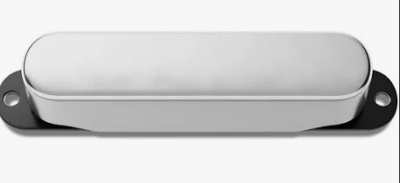
Mythic Odyssey Solstice Tele Neck SC
The Mythic Odyssey Solstice Tele Neck SC offers musicians a reliable option for achieving a warm and articulate tone, ideal for a variety of genres including country, blues, and Americana. Its hand-wound construction and Alnico V magnets enhance harmonic complexity, ensuring consistent performance with a classic Telecaster sound. This pickup is designed for those seeking to enhance their guitar's tonal range while maintaining vintage character.
View ProductRather have it done for you? Mythic Guitar Company handles custom guitar paint and finishing in the Austin shop, with pricing published up front.