
Choose the Perfect Guitar Pickups for Your Sound
· Wolf
Frequently Asked Questions
1. What are the two primary types of guitar pickups?
2. How do single-coil and humbucker pickups differ in sound?
3. What factors should I consider when choosing guitar pickups?
4. How do I ensure physical compatibility when replacing guitar pickups?
5. Why is it important to test guitar pickups before making a decision?
6. What are guitar pickups?
7. What is a Stratocaster pickup set?
8. What are the main types of pickups?
9. How does pickup position affect tone?
10. How do I choose pickups based on my playing style?
11. What is the tonal quality of single-coil pickups?
12. Why are humbucker pickups popular among guitarists?
13. Can the type of guitar affect the sound of the pickups?
14. Should I install my pickups myself or hire a professional?
When it comes to customizing your guitar's sound, choosing the right pickups is essential. Understanding different types of guitar pickups and how they can impact your tone can significantly enhance your playing experience. Whether you're a beginner or a seasoned musician, here are some crucial factors to consider when selecting guitar pickups.
Understanding How Guitar Pickups Work
Before diving into the specifics of choosing pickups, it’s essential to grasp how they work. Guitar pickups capture the vibrations of your strings and convert them into electrical signals. These signals are then sent through your amplifier, turning your acoustic energy into an electric sound that can be manipulated and enjoyed.
Types of Guitar Pickups
The two primary types of guitar pickups are single-coil and humbucker pickups. Each type has its unique characteristics, making them suitable for different musical styles.
- Single-Coil Pickups: Known for their bright tone and excellent clarity, single-coil pickups are often favored in genres like blues and rock. However, they are also more susceptible to electromagnetic interference, which can introduce unwanted noise.
- Humbucker Pickups: These pickups are designed to cancel out noise, making them ideal for heavier music styles like metal and hard rock. They provide a thicker and warmer tone compared to single-coils.
Consider Your Playing Style
Your playing style significantly influences the type of pickups you should choose. Here are some questions to consider:
- What genre of music do you play most often? Depending on whether you lean towards rock, jazz, pop, or metal, the pickups will differ.
- Do you prefer a bright, articulate sound, or a warmer, fuller tone? Single-coils are bright, while humbuckers are typically warmer.
- How do you play? If you're heavily reliant on distortion or effects, consider how the pickups will interact with your setup.
Pickups and Tone
Understanding tone is crucial when selecting pickups. Your tone is affected not only by your pickups but also by the materials used in your guitar, the amplifier, and your playing technique. Here are some specific tone considerations:
Resistance and Output
Pickups come with varying resistance levels, measured in ohms. Higher resistance typically correlates with a higher output level, which may result in a more aggressive sound. Conversely, lower resistance often results in a cleaner, more open tone. Different styles will favor different outputs:
- Jazz players may prefer lower-output pickups for clarity
- Rock musicians often favor medium-to-high-output pickups for their punch
Magnet Types
The magnet type used in a pickup also plays a vital role in shaping your tone. The most common types are Alnico and ceramic:
- Alnico Magnets: Made from aluminum, nickel, and cobalt, Alnico magnets are known for their warmth and complexity, making them popular among blues and rock players.
- Ceramic Magnets: Offering a louder and sharper tone, ceramic magnets are perfect for distortion-heavy genres, like metal.
Physical Compatibility
When replacing or installing pickups, ensure they are physically compatible with your guitar. This includes considering the following:
- Mounting Style: Pickups can be mounted either on the top of the guitar body or suspended under covers. Make sure the style matches your existing setup.
- Size: Different guitars require pickups of different sizes. It’s crucial to check that the replacement pickups will fit your guitar's cutouts.
The Importance of Quality
Quality is paramount when choosing guitar pickups. Consider opting for reputable brands known for their craftsmanship. One popular term in the industry is OEM guitar pickups, which refer to original equipment manufacturer pickups. These are built to standard specifications and may deliver a consistent and reliable sound.
Aftermarket vs. OEM Pickups
Investing in aftermarket pickups can sometimes offer a unique tone that suits your individual style. However, OE pickups generally provide a more controlled and recognized sound, maintaining the integrity of your instrument. Weighing the pros and cons can lead to a wise decision on which route to take.
Don’t Forget About Wiring
The wiring used in your pickups can also have an impact on sound quality. Depending on your skill level, you may wish to replace the wiring when you swap out the pickups. Make sure to consider:
- Quality of Wiring: Using quality wiring can prevent signal loss and maintain tone integrity.
- Shielding: Proper shielding can help minimize noise, which is particularly crucial for single-coil pickups.
Testing Your Pickups
Before making a final decision, it's advisable to test your guitar pickups in a controlled environment. If possible, try different pickup types in a store, playing through various amps and setups to compare tones. Pay attention to what resonates with your playing style and sound preferences.
Consult Experts and Other Musicians
As you navigate through the vast ocean of guitar options, don’t hesitate to reach out to professionals. Consulting with guitar experts or fellow musicians can provide valuable insights. They may recommend specific pickups based on personal experiences or knowledge of your playing style.
Budget Considerations
Your budget will, of course, play a role in which pickups you can select. While it’s tempting to go after the most high-end options available, don’t overlook more budget-friendly picks that may still offer outstanding quality. Investing in Mythic Odyssey guitar accessories could provide the balance you need between quality and cost.
In-House vs. Custom Jobs
Some guitarists opt for custom pickups tailored to their specific wishes. While this can result in a unique sound, it often comes with a higher price tag. For those starting, in-house pickups (standard options) may provide the perfect starting point before you delve into custom territories.
Ask Yourself: Are You Ready for the Change?
Changing guitar pickups can significantly alter your sound, enhancing your playing experience. However, be certain that you are looking for a change. Analyze what you currently like about your pickups and what you wish to improve or modify. This way, your selection is strategic rather than reactive.
Think Long-Term
As you consider your options, think long-term. Your musical preferences can evolve, and you may find that what works today may not be as suitable for you in a few years. Consider a versatile pickup that allows you to explore different styles. This will ensure your investment pays off over time.
Factors to Consider When Choosing Guitar Pickups
When exploring different guitar pickup brands, it's essential to understand the factors that will affect your choice. Here are some of the key considerations:
Sound Quality
One of the most crucial factors is sound quality. Pickups can significantly alter your guitar's tone. Single-coil pickups tend to produce bright, clear sounds, while humbuckers offer a warmer, thicker tone. Consider what kind of music you play and what sound you prefer.
Compatibility
Ensure that the pickups you choose are compatible with your guitar model. For instance, if you have a Stratocaster, a Stratocaster pickup set could be beneficial. Many brands may offer specific sets designed to fit popular guitar models, enhancing performance and ease of installation.
Durability
The durability of pickups is also worth considering. Look for brands that utilize high-quality materials to ensure their products withstand the rigors of frequent use. Reliable pickups will maintain their sound quality over time, keeping your guitar sounding great.
Stratocaster Pickup Sets: The Heart of Your Guitar
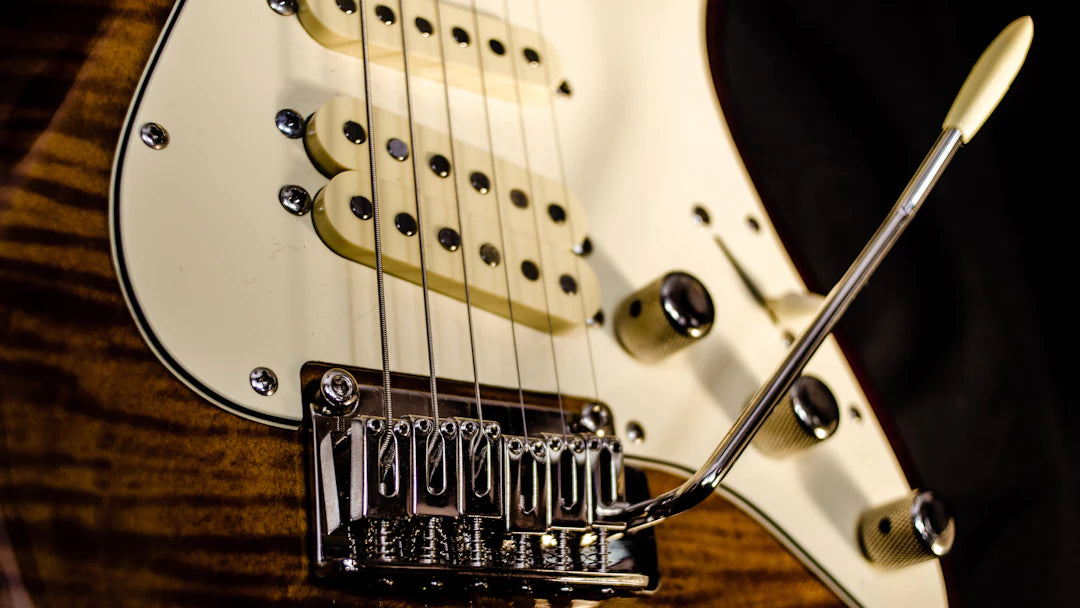
Choosing the right Stratocaster pickup set is vital for any Strat player. These sets are expertly crafted to complement the body and neck of the Stratocaster, providing a balanced sound that is essential for both rhythm and lead playing. When selecting a set, consider your playing style, genre, and desired sound profile. A well-matched pickup set can transform your guitar's performance.
Single-Coil vs. Humbucker in Stratocasters
Most Stratocasters come equipped with single-coil pickups, known for their bright and airy tone. However, some players may prefer the thicker, more powerful sound of humbuckers. Certain brands produce Stratocaster pickup sets that blend both types, allowing for a more versatile sound capable of adapting to various genres.
Testing and Installation Tips
When you get your new pickups, testing them out is essential. Always use a quality amplifier that can adequately showcase the tonal differences each pickup provides. Here are some tips for testing and installing your guitar pickups:
Testing Your Pickups
- Use a clean amp setting to hear the pickups' nuances without distortion.
- Play scales and chords to evaluate clarity and balance across strings.
- Experiment with different pickup selection settings (if applicable) to see how their tone varies.
Installing Your Pickups
Pay attention during installation to avoid damaging your guitar. Here are some quick installation tips:
- Keep track of your wiring; it’s easy to mix connections.
- Take your time to ensure finishes and covers fit properly.
- Consider consulting a professional or watching instructional videos if you're unsure.
The Role of Pickup Position
The position of the pickup on the guitar also plays a significant role in shaping your tone. The three common positions are:
- Neck Position: This pickup tends to produce a warm, bass-heavy tone, making it ideal for rhythm playing and smooth solos.
- Bridge Position: Often brighter and sharper, the bridge pickup is perfect for cutting through the mix, whether you are playing leads or clean parts.
- Middle Position: Typically sweet, with a balance between the two, the middle position can offer versatility and is often utilized in custom Stratocaster setups.
Matching Pickups to Your Playing Style
Your playing style is a reflection of your unique musical expression, and matching your pickups to your style can significantly enhance your overall sound. Let’s look at various styles and the pickups that suit them best.
Rock and Metal
If your passion lies in rock or metal, consider installing humbucker pickups. Their high output allows for heavier tones and distortion, which complements aggressive playing styles. Their noise-canceling design also means that you’ll have less buzzing, especially during intense performances.
Blues and Jazz
For blues and jazz enthusiasts, single-coil pickups are often preferred. They provide a clear, crisp tone that is perfect for expressive bends and fluid improvisation. Players often opt for custom Stratocaster pickups to achieve a signature sound that resonates with their style.
Funk and R&B
If you revel in the infectious grooves of funk and R&B, look to the versatility of single-coil pickups in the neck or middle position. They deliver a dynamic response to your playing, allowing for intricate chord work and rhythmic variations.
Country
Country players also gravitate towards single-coil pickups. The bright and snappy tone is ideal for clean plucking and twangy rhythms that characterize this genre. Custom pickups can help you achieve that signature country sound unique to your craft.
Considering Your Budget
While quality pickups can make a lasting impact on your guitar’s sound, they come in a wide range of prices. Understanding your budget is critical when selecting the right pickups for your guitar. Custom Stratocaster pickups may carry a higher price tag due to their bespoke nature, while OEM guitar pickups might offer a more cost-effective option without sacrificing quality.
Investing in Quality vs. Affordable Alternatives
When evaluating pickups, consider the long-term value. High-quality pickups may require a higher upfront investment, but they often deliver superior sound and durability. On the other hand, OEM guitar pickups can provide a great value option for those on a tighter budget without compromising too much on sound quality.
Pickup Material and Construction
The materials used in a pickup can profoundly influence its tonal characteristics. Here are some things to consider:
- Magnet Type: Different magnets (Alnico vs. ceramic) will yield distinct sounds, with Alnico often offering a warmer tone.
- Winding: The number of wire turns around the pickup affects its output level; higher winds generally yield a stronger signal but can also produce a muddier tone.
Trial and Error: Finding Your Perfect Sound
Choosing the right pickups is not an exact science; it often involves experimentation. Here are some suggestions:
- Test in Person: If possible, try various guitars equipped with different pickups at your local music shop. Pay attention to how they feel and sound in relation to your style.
- Consult Other Musicians: Engaging with fellow musicians or joining forums can provide valuable insights. They might have experiences that could guide your decision.
- Consider the Compatibility: Ensure the pickups you choose fit well with your guitar's hardware, as compatibility can affect sound quality and output.
The Impact of Pickup Switching
As you improve your playing, you may find that your musical preferences evolve. Don't be afraid to switch out pickups down the line. Custom Stratocaster pickups offer options for further refining your sound as you grow as a guitarist.
Easy Installation Tips
Changing pickups can be a straightforward process, but be sure to follow these tips:
- Read the Manual: Familiarize yourself with your guitar's schematic and wiring diagram.
- Keep Notes: Document the wire placements while uninstalling the old pickups; this will help during installation.
- Seek Professional Help: If in doubt, don’t hesitate to consult with a professional guitar technician for assistance.
Maintaining Your Pickups
Once you have selected and installed your pickups, maintenance is key to ensuring they deliver optimal performance over time:
- Keep it Clean: Regularly clean your pickups, as dirt can accumulate and affect sound quality.
- Check the Height: Adjust the pickup height if you notice inconsistent output or if they feel too distant from the strings.
- Avoid Excessive Heat: Keep your guitar away from high temperatures to prevent damage to the pickup components.
Top Guitar Pickup Brands to Consider
Now that you have a basic understanding of guitar pickups, let's take a closer look at some of the best brands that offer outstanding products for guitarists.
Fender
Fender is perhaps one of the most recognized names in the guitar world. They produce a wide range of guitars, amps, and accessories, including pickups. Their Stratocaster Pickup Set is renowned for its iconic sound, making it a favorite among Stratocaster players. Fender pickups are known for their clarity and dynamic response, making them ideal for various musical styles.
Gibson
Gibson's humbucker pickups are legendary. They are often found in their Les Paul guitars and are known for their rich, full-bodied tone. Shop owners frequently recommend Gibson pickups for their versatility and reliability. Many guitarists appreciate the warm midrange and smooth high frequencies produced by these pickups, making them suitable for rock and blues music.
Seymour Duncan
Seymour Duncan is another top player in the pickup market, offering a vast array of choices for different styles and preferences. From classic to modern tones, their pickups are R&D tested with a sound that is loved by many musicians globally. They produce both single-coil and humbucker pickups, making them adaptable to virtually any guitar. Their commitment to quality means that guitarists can trust their sound and durability.
Dimarzio
Dimarzio is well-known for its innovative pickup designs and strong output. They were among the first manufacturers to create high-output pickups that appealed to hard rock and metal musicians. If you seek a powerful sound with clarity, Dimarzio pickups are worth considering. Their variety caters to a wide range of guitars, and they're often regarded as excellent replacements for oem guitar pickups.
Lollar
Lollar pickups are celebrated for their vintage-inspired sound. These pickups are handcrafted and exhibit a warm, rich tone, perfect for blues, rock, and Americana music. Lollar's dedication to quality means each pickup undergoes rigorous testing to ensure a superior sound. Guitarists looking for something special often choose Lollar for their unique character and tonal clarity.
What Makes a Great Pickup?
When choosing pickups for your guitar, several factors can influence your choice. Here, we break down what you should consider when selecting the perfect pickups for your sound.
Tonal Quality
The primary function of guitar pickups is to capture the sound of your instrument. Different pickups exhibit different tonal qualities, so it's important to find a pickup that complements your playing style. Remember that single-coil pickups provide bright, jangly tones, while humbuckers deliver a warmer, thicker sound.
Output Level
Output level plays a significant role in how your pickups interact with your amplifier and effects pedals. Higher output pickups tend to produce a more powerful signal, which can be beneficial for heavy genres. Conversely, lower output pickups might be better suited for softer musical styles.
Response to Dynamics
Good pickups will respond well to your playing dynamics. This means they should be able to capture soft notes as well as powerful strums without losing clarity. When testing pickups, pay attention to how they respond when you play gently versus aggressively.
Customizing Your Guitar's Sound
Consider your tonal needs as you explore various brands and styles of pickups. Customization can effectively fine-tune your guitar's sound to create something uniquely yours.
Choosing the Right Pickup Type
- Single-Coil: Best for bright, crisp tones, typically used in funk, pop, and country.
- Humbucker: Provides a warm, full-bodied sound, ideal for rock, metal, and jazz.
- P90: Offers a unique sound that's in between single-coil and humbucker, popular in blues and rock.
Mix and Match Pickups
Many guitarists choose to mix and match pickups on their guitars. This can involve installing different types of pickups in various positions on the guitar to achieve a diverse tonal palette. For instance, pairing a humbucker with a single-coil pickup can create a hybrid sound that caters to multiple genres.
Consult with Professionals
When in doubt, it's always a good idea to consult with professional guitar technicians. They can provide insights into which pickups will suit your guitar best, ensuring that you achieve the desired sound and functionality.
Consider the Guitar Type and Configuration
The type of guitar you are using (solid body, semi-hollow, or hollow body) can significantly influence the sound and feel of your pickups. It's essential to consider how the guitar's build will interact with the pickups you choose.
Solid Body Guitars
Solid body guitars generally pair well with both single coils and humbuckers. For instance, electric guitars such as Stratocasters commonly utilize single coil pickups, providing that bright and cutting tone that many players have come to love. If you’re looking for the best Stratocaster pickups, focus on brands and models that excel in delivering bluesy and rich tones.
Semi-Hollow and Hollow Body Guitars
Semi-hollow and hollow body guitars tend to have a more resonant sound, and both single coils and humbuckers can work well in these configurations. Choose pickups that enhance the acoustic quality of the guitar while providing the desired tonal output. Jazz players often enjoy warm sounding humbuckers in these guitars.
Personal Preference and Experimentation
Your personal preferences should drive your ultimate choice in guitar pickups. Everyone’s ears perceive sound differently, and what works for one player might not work for another. Don’t be afraid to experiment with different types of pickups to find your unique tone.
Testing Pickups in Person
If possible, try to test different pickups in a guitar shop. Take your favorite guitar or one that’s similar to yours and play through various amplifiers. Focus on how the pickups respond to your playing style and how they capture the nuances of your technique.
Refining Your Choices
After testing various pickups, it can help to narrow down your favorites to just a couple of options based on your defined criteria. This process can also include consulting with fellow musicians or an experienced guitar technician for insights and recommendations.
Installing Your Pickups
Once you’ve settled on the right pickups, the next step is installation. If you are comfortable with electronics, you may consider doing it yourself, but hiring a professional can ensure that the installation is done correctly, providing optimal performance.
DIY Installation Tips
- Gather Tools: You’ll need soldering tools, wire strippers, and screwdrivers.
- Document Wiring: Take photos of the existing wiring to refer back to when installing the new pickups.
- Follow Instructions: Read the installation guide carefully and follow it step by step.
When to Seek Professional Help
If you’re unsure about your skills, it’s best to seek help from a professional guitar technician. They can offer expert advice, ensuring that your guitar remains in good condition while delivering the sound you want.
Exploring Pickup Materials
The construction of pickups also impacts the tone. When looking for guitar pickups made in America, you can often find options that combine quality materials and craftsmanship, leading to superior sound quality.
- Magnet Materials: Alnico magnets, typically used in traditional pickups, provide warmer tones, while ceramic magnets offer more punch and power.
- Wire Gauge and Type: Different wire gauges produce various tonal characters. Thicker wire can enhance the output but may sacrifice some clarity.
Wiring and Configuration
The wiring configuration of your guitar can also influence your choice of pickup. Consider the following common configurations:
Series vs. Parallel Wiring
Pickups can be wired in series or parallel setups:
- Series Wiring: Adds more output and thickens the tone, commonly used with humbuckers.
- Parallel Wiring: Preserves clarity and brightness, ideal for single-coil setups.
Pickup Switching
Guitars often have switching options that allow you to select between pickups or combine them, further influencing your tone. Consider models with versatile switching options if you enjoy experimenting with different sounds.
Common Pickup Modifications
Pickup modifications can further fine-tune your instrument. Here are some popular modifications:
Coil Splitting
Coil splitting allows you to use a humbucker as a single-coil pickup by disengaging one of the coils, offering versatility for tonal preferences.
Pickups with Custom Wiring
Some musicians opt for custom wiring configurations to achieve specific sound goals or enhance the flexibility of their setup.
Emerging Brands You Shouldn’t Overlook
6.bareknuckle Pickups
Bareknuckle Pickups has emerged as a formidable name in recent years. Known for their high-quality craftsmanship and attention to detail, they offer a wide range of pickups tailored for diverse music styles. Whether you're into metal, rock, or blues, Bareknuckle has something that will fit your needs.
The customization options available are impressive, enabling guitarists to achieve a highly personalized tone. If you're looking for something unique, their custom guitar pickups could be the perfect addition to your rig.
7. Fishman
Fishman has been a game-changer in the acoustic pickup realm, but their electric pickups are no less impressive. Known for cutting-edge technology, they offer models that enhance playability and provide a natural acoustic sound when using electric guitars.
This innovative approach makes Fishman pickups ideal for players looking to bridge the gap between electric and acoustic sounds. With features like built-in preamps, they are packed with versatility for musicians who like to experiment.
Unlocking Your Sound with Custom Guitar Pickups
Custom guitar pickups are tailored to your specific playing style, sound preferences, and even the guitar itself. They are crafted to meet the individual needs of musicians looking for a unique tone. If you’re someone who frequently plays with varying techniques, investing in custom guitar pickups can be incredibly beneficial.
Many brands, like those mentioned above, offer customizable options that allow you to select wire gauge, magnet type, and more. This means you can truly create a sound that feels authentic and personal. The Mythic Odyssey Icon SH5 HB is just an example of how customized pickups can enhance your music, providing sonic qualities that resonate with every note you play.
Sound Characteristics of Different Pickups
The sound characteristics of various pickups can significantly affect your music. Below is a brief overview of how different pickups can change the audio output of your guitar:
Single-Coil Characteristics
Single-coil pickups are loved for their articulated sound. They excel in genres that demand clarity, making them a popular choice for funk, pop, and surf music. However, they can be susceptible to electromagnetic interference, which is something to consider, especially in live settings.
Humbucker Characteristics
Humbuckers deliver increased output and better noise cancellation, making them a standard choice for rock and metal. Their warmer tone also enables smooth transitions between different playing techniques, from complex riffs to power chords.
P90 Characteristics
P90 pickups bridge the gap between single-coils and humbuckers, providing the best of both worlds. They maintain clarity while offering a biting midrange that is perfect for styles like rockabilly and punk.
Choosing Between Active and Passive Pickups
Another consideration in pickup selection is choosing between active and passive pickups. Active pickups are equipped with a battery-powered preamp, offering a higher output and more versatility in sound shaping. On the other hand, passive pickups are simpler and inherently characterized by their tonal warmth.
- Active Pickups: These are fantastic for high-gain styles, perfect for metal and progressive music where clarity and durability are paramount.
- Passive Pickups: For those who prefer a more traditional and organic sound, passive pickups often yield better dynamics and tonal richness.
The Significance of Quality in Guitar Pickups
When choosing pickups, it’s vital to consider quality. Look for guitar pickups made in America, as they often provide superior craftsmanship and sound quality. Higher quality pickups will typically offer better durability, tone clarity, and functionality, ensuring that your investment lasts longer.
Researching Reputable Brands
Not all guitar pickups are created equal. Researching and choosing reputable brands can be the difference between mediocre sound quality and achieving your dream tone. Reviews, professional recommendations, and user feedback can help you narrow down your options significantly.
Making the Right Choice for You
Ultimately, the right pickup for your playing style depends on various factors, including your genre, personal preferences, and the specific sound you wish to achieve. Spend some time experimenting with different pickups and configurations until you find what fits your sound best.
Testing Before You Buy
As you consider new pickups, if possible, try them out in a guitar store or at a friend’s place before making your purchase. Engaging with different sounds directly can provide invaluable insights into how they suit your playing style.
Comparative Analysis of Pickup Brands
When selecting guitar pickups, comparing their features, tones, and value for money is essential. Here’s a closer look at several key aspects you should consider:
Tone and Sound Character
Different brands carry distinct tonal characteristics. Fender pickups tend to lean toward brighter tones, suited for high frequencies and clean sounds. In contrast, Gibson’s humbuckers produce a more rounded, powerful sound. Your choice should align with your preferred music genre and playing style. For instance, if you frequently perform with your Mythic Odyssey Vanguard Mustang SC, consider how each pickup affects your setup’s overall sound.
Output and Gain Handling
Output levels vary by brand and model. High-output pickups like those from DiMarzio and Seymour Duncan are ideal for players who want to push their amplifiers and achieve overdrive. If you're looking to get that signature electric guitar growl, you might lean towards brands notorious for high-gain pickups.
Noise Interference
Noise interference can affect your tone. Single-coils are notoriously vulnerable to noise, primarily in high-gain settings. Brands like Seymour Duncan and DiMarzio have developed noiseless pickups designed to retain clarity while reducing hum. If you often play in noisy environments, you might want to consider these options.
Amazing Sound Awaits You!
The journey to finding the ideal pickups can be a fulfilling one. Remember that the right choice can enhance your playing experience and take your music to unprecedented dimensions. Explore the different options, consult experts, and don't hesitate to experiment. With the right pickups, you'll create soundscapes that resonate with your audience and inspire your performances.
Rather have it done for you? Mythic Guitar Company handles pickup installation, wiring and electronics upgrades in the Austin shop, with pricing published up front.