
Choosing the Right Paint for Your Guitar
· Wolf
Overview
This guide covers essential factors for painting your guitar, including different paint types (lacquer, polyurethane, nitrocellulose, water-based, and custom finishes), key considerations before starting (budget, skill level, environmental factors, and design concept), and a step-by-step painting process. It also includes maintenance tips and advice on finding professionals for custom work, emphasizing that your guitar's finish reflects your personal style and musical identity.
When it comes to personalizing your musical instrument, choosing the right paint for your guitar is like selecting the perfect notes for your next solo. Whether you own an Mythic Odyssey Solaris Tele Fat Neck SC or any other model, the finish can dramatically affect both aesthetics and sound. In this guide, we'll explore the essential factors to consider when painting your guitar, various types of paint, and tips for achieving a professional-looking finish.
Understanding Different Guitar Paint Types
The type of paint you choose for your guitar can influence its durability, visual appeal, and in some cases, even its sound. Here are some of the most common types of paints used in custom guitar painting:
1. Lacquer
Lacquer is one of the traditional finishes for guitars and is quite popular among luthiers. Its quick-drying nature allows for multiple spray applications in a short time. Lacquer provides a beautiful, glossy finish that enhances the wood grain while also resonating well with the sound. However, one drawback is its sensitivity to moisture and UV rays, which means it may require more upkeep than other finishes.
2. Polyurethane
For those seeking durability, polyurethane paint can be an excellent choice. This finish creates a thick protective layer that is resistant to scratches, moisture, and chemicals. Although it may lack the natural feel and resonance of lacquer, it offers greater protection for instruments that see a lot of use, making it ideal for custom guitar painting in Austin, where DJs and musicians often perform at lively venues.
3. Nitrocellulose
Nitrocellulose paints provide a deep, vibrant finish that many musicians love. It's a breathable finish, which means it won't choke the wood and can enhance sound quality. However, it does require patience and skill during application; a well-applied nitro finish can offer great results, but it is also easy to mess up if you're inexperienced.
4. Water-Based Paints
For environmentally-conscious individuals or those who prefer to work indoors, water-based paints present a great option. These paints are less toxic than their solvent-based counterparts and offer easy cleanup. While they may not produce the same deep gloss as lacquer or nitrocellulose, high-quality formulations can provide satisfactory results and durability.
5. Custom Paints and Finishes
If you wish to achieve a unique aesthetic, consider custom paints. Many artists specialize in mixing colors and finishes to create exclusive looks, perfect for adding a personal touch to your Mythic Odyssey Solaris Tele Fat Neck SC. Plus, this approach allows for creative motifs and complex designs that set your instrument apart from the rest.
Essential Considerations Before Painting Your Guitar
Before you dive into the painting process, it’s crucial to consider some essential factors to ensure the best outcome:
Budget
Consider how much you're willing to spend on both materials and professional assistance. Some paints can be pricey, especially if you decide to take the custom route.
Skill Level
Assess your skills. If you’re a beginner, it might be beneficial to consult with or hire a professional, especially for intricate designs or finishes. Many shops in Austin offer services for custom guitar painting, so don't hesitate to reach out.
Environmental Considerations
Ensure that you work in a well-ventilated area, especially when using paints that release fumes. Proper setup can also eliminate dust and debris, helping you achieve a cleaner finish.
Design Concept
Before you start painting, develop a clear concept of what you want to achieve. Sketch out designs or gather visual references to ensure you stay on track as you progress.
The Painting Process: Step by Step
Once you’ve decided on the paint type and gathered all necessary materials, it’s time to begin the painting process. Follow these steps for the best results:
Step 1: Preparation
Start by removing all hardware from the guitar, including strings, pickups, and knobs. Sand the guitar's surface lightly to remove the existing finish and ensure the paint adheres well.
Step 2: Cleaning
After sanding, clean the surface to remove any dust or particles. Use a soft cloth and some rubbing alcohol for that extra cleanliness.
Step 3: Primer
If you’re using lighter colors, it may be useful to apply a primer to enhance the vibrancy. Choose a primer compatible with your paint type and apply it evenly.
Step 4: Painting
With your primer dry, start applying the main paint. Use even strokes and don't rush; several thin coats will yield better results than one thick layer. Allow adequate drying time between coats.
Step 5: Finishing Touches
Once the paint has dried completely, consider applying a clear coat for added shine and protection. Ensure it’s compatible with the type of paint you’ve chosen. Sand lightly between coats for a smooth finish.
Maintenance Tips for Painted Guitars
To keep your guitar in pristine condition, follow these maintenance tips:
- Regular Cleaning: Dust the guitar occasionally and use a guitar-safe cleaner to remove any dirt or smudges.
- Avoid Extreme Conditions: Keep the guitar away from direct sunlight, humidity, or extreme temperatures that can damage the finish.
- Transportation: Always use a padded case when transporting your guitar to avoid scratches and dings.
- Professional Servicing: For deep scratches or chips, consider taking your guitar to a professional for repair rather than attempting to fix it yourself.
Finding the Right Professionals for Custom Work
If the painting process seems daunting, many talented artisans specialize in custom guitar painting in Austin. Research local professionals and read through reviews to find the right fit for your needs. Visiting stores or attending local music events can also connect you with skilled painters who can provide personalized advice and service.
Types of Guitar Finishes
Guitar finishes come in various forms, ranging from glossy to matte, and can include unique textures that add personality. Here are some of the most popular types of finishes used in guitar refinishing:
1. Gloss Finish
A glossy finish is a classic choice for guitar lovers. This shiny surface reflects light, creating stunning visual depth. The glossy finish is often applied with nitrocellulose lacquer or polyurethane, both of which dry hard and provide excellent protection against scratches and wear. Instruments like the Mythic Odyssey Solstice Tele Neck SC, when finished with gloss, often give off a classy, polished look that appeals to many musicians.
2. Matte Finish
If you're looking for a more understated look, a matte finish might be the way to go. This type of finish has a non-reflective surface that gives off a softer, more natural vibe. Matte finishes are often sought after for their smooth, touchable texture and the way they show off wood grain while minimizing the visibility of fingerprints and smudges.
3. Satin Finish
Satin finishes fall somewhere between gloss and matte. They have a slight sheen that adds a touch of elegance while still being easy to maintain. This versatile finish effectively highlights the wood’s natural beauty, showcasing its grain and texture without being overly glossy or dull. Satin finishes are also popular among acoustic guitars, enhancing their organic presence.
4. Vintage Finish
A vintage finish mimics the look of aged guitars, often appealing to musicians who cherish the character and history of seasoned instruments. It can include various aging techniques like checking (tiny cracks that occur in the finish) and amber tinting to create a warm, inviting appearance. Vintage finishes can give your guitar a timeless look, perfect for styles from blues to rock.
Unique Textures to Explore
Beyond just the finish type, textures play a key role in defining the feel and style of your guitar. Here are some unique textures that you can consider for your refinishing project:
1. Distressed Finish
A distressed finish is an artistic choice that adds character. This technique involves artificially aging the wood’s surface through scrapes, dings, and color fades. The result is a guitar that looks like it has been played and loved for decades. Distressed guitars give off a charming, road-worn vibe that appeals to many musicians who appreciate authentic vintage aesthetics.
2. Metallic Finish
Metallic finishes are an exciting twist that brings a futuristic element into guitar refinishing. These finishes often contain metallic flakes that create depth and shimmer, catching the light beautifully. Such finishes can make a guitar stand out on stage and are perfect for rock genres that demand a bold visual statement.
3. Textured Spray Finish
A textured spray finish can add an intriguing tactile experience to your guitar. These finishes can include stippling, sand, or hammer tones that create a unique surface profile. Textured finishes can also serve a practical purpose, as they can help improve grip and control for musicians during performances.
4. Burl or Wood Grain Patterns
Another bold choice is enhancing the natural wood grain by using a burl finish, which brings out the rich, swirling patterns within the wood. By applying transparent or semi-transparent stains, the guitar's natural beauty is accentuated, allowing musicians to showcase the instrument's organic qualities. This finishing technique can transform even the simplest models into stunning showpieces.
Choosing the Right Finishing Materials
When considering guitar refinishing, it's essential to choose the right materials. Different finishes require different preparations, tools, and applications. Here are common materials you might encounter:
- Nitrocellulose Lacquer: A favorite among many luthiers, nitrocellulose lacquer creates a thinner finish that allows the wood to breathe, offering excellent sound quality.
- Polyurethane: A more robust finish option compared to nitro, polyurethane provides great protection against scratches and is available in various sheens.
- Oil Finishes: Oil finishes soak into the wood rather than sit on the surface. They enhance the grain and create a natural feel without making the wood overly glossy.
- Shellac: Often used in vintage guitars, shellac provides a beautiful aesthetic although it is less durable compared to modern finishes.
The Refinishing Process
Now that you’re aware of the textures and finishes, let’s take a look at the typical refinishing process. Following a systematic approach ensures that you achieve a professional-looking result. Here’s a simplified guide:
1. Preparation
The first step in guitar refinishing involves stripping the existing finish. This may require sandpaper and chemical strippers, depending on the original finish type. Be sure to work carefully to avoid damaging the wood beneath.
2. Sanding
Sanding prepares the surface for the new finish. Start with coarse sandpaper to remove old finishes, gradually moving to finer grits for a smooth surface. It's essential to sand along the grain of the wood.
3. Cleaning
Once sanded, clean the guitar to remove any dust or debris. A lint-free cloth can be effective here. Proper cleaning ensures the new finish adheres correctly and prevents imperfections.
4. Applying the New Finish
After cleaning, it’s time to apply the chosen finish. This may involve spraying, brushing, or wiping on the finish. Follow the manufacturer's instructions closely to achieve the best results.
5. Curing and Polishing
After the finish has been applied, allow it to cure adequately. Curing times can vary based on the finishing material. Once cured, polishing can be performed to achieve the desired sheen, enhancing the final appearance of your guitar.
Keeping Your Unique Finish Intact
Once your guitar has been refinished, it's essential to maintain its beautiful appearance. Here are some tips to help you preserve your unique textures and finishes:
- Regular Cleanings: Keep your guitar clean by using soft, dry cloths. Avoid harsh chemicals that could damage the finish.
- Proper Storage: Store your guitar in a case or on a stand to prevent dings, scratches, and exposure to moisture.
- Avoid Direct Sunlight: Prolonged exposure to sunlight can fade finishes over time, so keep your guitar out of direct light when not in use.
- Regular Inspections: Periodically check for wear and tear. Address any scratches or dents quickly to prevent further damage.
Common Techniques Used in Guitar Finishing
There are various techniques employed in the finishing of guitars, each bringing its unique characteristics. Below are some commonly used methods:
Polyurethane Finishes
Polyurethane is a popular choice due to its durability and resistance to scratches and moisture. Often found on modern electric guitars, this finish creates a hard shell that protects the wood effectively. While it provides excellent protection, it can sometimes muffle the natural sound of the guitar.
Lacquer Finishes
Lacquer finishes, particularly nitrocellulose lacquer, are well-regarded in the guitar community for their ability to enhance the sound and resonance of the instrument. This natural finish allows the wood to breathe and age beautifully over time. However, it requires more meticulous upkeep than polyurethane and can be vulnerable to wear.
Oil Finishes
Oil finishes, such as Danish oil or tung oil, penetrate the wood to provide a natural look and feel. They are relatively easy to apply and can be refreshing to maintain. Oil finishes bring out the grain and character of the wood, making them popular among custom guitar manufacturing USA artisans looking for that unique touch.
UV-Cured Finishes
UV-cured finishes are an innovation in the guitar industry. These finishes cure quickly under ultraviolet light, providing a tough coating in a fraction of the time of traditional methods. They are often employed in factories for mass production but are gaining traction with custom makers due to their efficiency and durability.
Choosing the Right Finish for Your Guitar
When it comes to selecting the right finish for your guitar, several factors should be taken into account:
- Type of Wood: Different woods react uniquely to finishes. For instance, dense woods like mahogany may benefit from oil finishes for enhanced resonance, while softer woods like pine may need the tougher protection of a polyurethane layer.
- Playing Style: If you’re an active performer, a durable finish that withstands wear and tear is preferable. Conversely, if you’re a collector interested in aesthetics, a finer finish that enhances natural beauty may be more appealing.
- Maintenance: Consider how much upkeep you’re willing to invest. Some finishes require regular maintenance, while others are more 'set it and forget it.'
Finishing Techniques: Traditional vs. Modern
The guitar finishing world is a blend of time-honored techniques and cutting-edge innovations. Let's explore the differences between traditional and modern approaches:
Traditional Techniques
Traditionally, guitar finishes involved labor-intensive methods that required deep knowledge of the materials. Craftsmen often hand-brushed or sprayed finishes, allowing for greater control over the application. These methods often yield unique results, as each layer can vary in thickness and texture, contributing to the overall character of the instrument.
Modern Approaches
In contrast, modern finishing techniques leverage advanced machinery to achieve consistency and efficiency. Automation has allowed for quicker turnaround times without sacrificing quality. Many contemporary builders combine these two approaches to maximize the benefits of both worlds, achieving superior finishes that cater to the needs of players and collectors alike.
The Role of VOCs in Guitar Finishing
Volatile Organic Compounds (VOCs) are chemicals that evaporate into the air, contributing to air pollution and potentially harming human health. Many traditional paints and finishes used in guitar manufacturing and refinishing contain high levels of VOCs. This concern leads to regulations aimed at limiting VOC emissions in various industries, including the guitar-making sector.
The Impact on Air Quality
The release of VOCs during the painting and finishing process can lead to poor air quality, especially in enclosed spaces like workshops or home studios. This is particularly relevant in cities like Austin, where the vibrant music scene coincides with a growing commitment to environmental sustainability. By choosing finishes with reduced VOC levels, or opting for water-based options, individuals can contribute to better air quality.
Responsible Guitar Refinishing Practices
Guitar refinishing is a common practice, especially for vintage guitars or those that need a makeover. However, it’s crucial to approach this practice responsibly. Here are some key points to consider when engaging in guitar refinishing, particularly in Austin:
Choosing Eco-Friendly Materials
When selecting paints and finishes for refinishing, prioritize products that are low in VOCs or water-based. Many companies are now producing environmentally-friendly paints that not only maintain the quality of your guitar but also protect the planet.
Minimizing Waste
Guitar refinishing can create waste, including leftover materials. Be sure to dispose of your waste responsibly, following local guidelines for hazardous materials. Additionally, try to use the exact amount of paint needed for your project to minimize excess.
Supporting Local Eco-Conscious Businesses
In cities like Austin, there is a burgeoning community of guitar luthiers and refinishing experts dedicated to sustainable practices. Supporting these local businesses not only promotes a healthy economy but helps push the industry towards greener practices.
Innovative Solutions in Guitar Manufacturing
As the awareness of the environmental spillovers of traditional materials increases, many guitar manufacturers are embracing innovative solutions. From using sustainable wood sources to adopting eco-friendly paints and finishes, this shift is paving the way for a greener future in music.
Alternative Materials
Some innovative manufacturers are experimenting with alternative materials that have less environmental impact. For example, bamboo and reclaimed wood are becoming popular choices for guitar bodies, both of which offer a sustainable alternative to traditional tonewoods.
Biodegradable Finishes
Another exciting development in the industry is the advent of biodegradable finishes. These finishes break down naturally over time, reducing the environmental footprint when the guitar's life eventually ends. Such innovation demonstrates that it is possible to have high-quality finishes while being mindful of their longevity and impact on the planet.
The Importance of Awareness and Education
To truly make a difference in the guitar community and beyond, awareness and education are critical. By informing consumers, musicians, and manufacturers about the environmental impacts associated with guitar paints and finishes, we can collectively drive the demand for more sustainable options.
Spreading the Word
As a musician or guitar enthusiast, you have a voice that can influence others. Share information on the impacts of different finishes with your community. Encourage fellow musicians to consider taking the eco-friendly route when it comes to their instruments, especially if they live in vibrant music hubs steeped in tradition like Austin.
Participating in Workshops
Engage in or organize workshops focused on sustainable guitar practices. This provides an opportunity not just to learn, but to network with like-minded individuals who care about the intersection of music and the environment.
Guitar Care and Maintenance: A Green Approach
Maintaining your guitar is an integral part of its life cycle and is another area where eco-conscious practices can play a vital role. Here are some tips to keep your guitar in top shape while being mindful of the environment:
Regular Cleaning Without Harsh Chemicals
Instead of using chemical cleaners that can adversely affect both your guitar and the environment, look for natural alternatives. Simple solutions like a mixture of water and vinegar can effectively clean your guitar without introducing harmful toxins.
Protective Cases and Storage
Investing in high-quality, eco-friendly guitar cases not only protects your instrument from damage but can also help extend its life. Look for cases made from sustainable materials that are less likely to contribute to landfill waste in the long run.
Why the Right Paint Matters for Sound
Many beginners might not realize that the type of paint used can affect a guitar's sound. The thickness and material of the paint can contribute to how vibrations travel through the wood. A thicker finish may dampen the sounds, whereas a thinner finish can allow for a more pronounced warm guitar tone. If you’re exploring guitar refinishing in Austin, consider this aspect carefully.
Choosing the Right Color
The choice of color goes beyond aesthetics. Different colors reflect light in various ways and can influence the perception of your guitar's tonal qualities. Let's explore some popular color choices:
Classic Colors
- Sunburst: A timeless favorite, sunburst finishes offer a vintage look that enhances the natural grain of the wood.
- Black: Sleek and modern, black paint provides a striking contrast and is often associated with professional performance.
- White: Crisp and clean, white guitars tend to reflect light, offering a distinct look on stage.
Custom Colors
If you want your guitar to stand out, consider opting for custom colors or patterns. Be aware that the complexity of a custom job might add to the time and cost of the refinishing process.
The Importance of Preparation
Proper preparation is key when it comes to painting your guitar. Start by removing the strings and hardware, then clean the surface thoroughly. This step ensures that the paint adheres well and creates a smooth finish.
Sand the Surface
Sanding the surface of your guitar is critical. This process removes any old finish and opens up the wood grain for better paint adhesion. Use fine-grit sandpaper (around 220-grit) for this task, and ensure that the surface is smooth before applying any paint.
Applying Paint: Techniques to Consider
How you apply the paint can significantly impact the end result. Here are some techniques you might consider:
Spray Painting
Using spray paint provides an even coat and is generally easier for achieving a professional finish. Make sure to spray at a consistent distance and angle to avoid drips.
Brushing
If you prefer a more hands-on approach, brushing allows for greater control. However, it can result in noticeable brush strokes, which may not be ideal for every project.
Sealing the Finish
After applying the paint, sealing your guitar is crucial. This layer protects the paint from moisture and scratches while enhancing the overall appearance. There are various sealers available, including those made from nitrocellulose, polyurethane, and acrylic.
Clear Coats
Applying a clear coat can enhance the depth of your color while providing a protective layer. Ensure that you apply it in several thin coats to avoid runs and drips.
How Finishes Affect Your Playing Experience
Understanding the impact of finishes on your guitar can elevate your playing experience to new heights. Here are some factors to consider:
- Sound: The finish affects how the guitar resonates. Lighter finishes typically allow for more sound projection and tonal clarity.
- Feel: The texture and finish can influence playability. Smooth gloss finishes may stick to your hand less, while satin finishes provide a more tactile, natural feel.
- Maintenance: Some finishes require more care than others. Nitrocellulose can wear down faster and need touch-ups, while poly and polyester endure rigorous play.
- Personal Preference: Ultimately, it comes down to what feels and sounds best to you.
A Closer Look at Custom Finishes
For those seeking a unique touch, custom finishes allow you to truly express your identity. Custom guitar finishes can be achieved through a variety of techniques:
- Airbrushing: This technique can create stunning, intricate designs.
- Decals and Graphics: Adding personal artwork or decals can showcase your unique style.
- Stains and Dyes: These can enhance the wood while maintaining a more natural feel.
Custom finishes can be a game-changer for musicians looking to set themselves apart. Just like the vibrant music scene in guitar body painting Austin, these finishes can elevate your instrument to a work of art.
Maintaining Your Guitar Finish
Once you’ve chosen a finish, proper maintenance ensures that your guitar will look and sound great for years to come. Here are some tips to help keep your guitar finish in top condition:
- Clean Regularly: Use a soft, lint-free cloth to wipe down your guitar after each use to prevent moisture build-up.
- Store Properly: Keep your guitar in a case or stand away from extreme temperatures and humidity.
- Avoid Harsh Chemicals: Use cleaning products specifically designed for guitars to avoid damaging the finish.
- Inspect Regularly: Check for scratches, dings, or wear and address them promptly to prevent further damage.
Your guitar is not just an instrument; it’s a lifelong companion. Treat it with care to enjoy all the nuances that different finishes can offer.
Experimental Finishes: Pushing Boundaries
As technology evolves, so do guitar finishes. Each new innovation pushes the boundaries of what a guitar can be. Some emerging trends to watch include:
- Eco-Friendly Finishes: Brands are creating sustainable finishes that are less harmful to the environment.
- Textured Finishes: Some guitarists are experimenting with textures, offering a different visual and tactile experience.
- Interactive Finishes: Emerging technologies are leading to finishes that can change color or respond to touch.
Exploring these trends can enhance both your creativity and connection to your instrument.
The Psychology of Vintage Instruments
Before diving into specific techniques, it's essential to comprehend why vintage finishes appeal so much to guitarists. Vintage guitars carry a story. The wear, patina, and unique scars tell of musical histories and artistic journeys. Factors such as nostalgia and the vintage look's inherent beauty often attract musicians to these classic styles. Whether it’s a Telecaster-style guitar pickup you’re working with or a more modern setup, the allure of the older styles is undeniable.
Preparing Your Guitar for an Antique Finish
Gathering Your Materials
Before embarking on your antique finish journey, you’ll need to gather the necessary materials:
- Sandpaper (various grits)
- Wood stain or paint
- Lacquer or polyurethane finish
- Rags and brushes
- Protective wear (mask, gloves, goggles)
Choosing the Right Guitar
Some guitars lend themselves better to antique finishes than others. Solid wood instruments often have better take on stains and finishes than laminate. If you're working on a popular Telecaster-style guitar pickup, ensure the body wood will enhance the overall finish. Feel free to reach out to fellow artists or research online to see what works best on similar models.
Techniques to Create Antique Finishes
1. Distressing the Wood
To achieve that authentic vintage look, start by distressing the wood of your guitar's body. Here are several techniques:
- Sandblasting: This technique effectively removes impurities and creates a rough surface for additional layering.
- Scratches and Dents: Use tools like screwdrivers or hammers to create intentional blemishes, replicating years of wear.
- Heavy Sanding: Use sandpaper to rough up specific sections of the body, especially high-contact areas like the edges and back.
2. Layering Stains and Paints
The application of stains and paints is where the magic begins. Opt for a dark stain as a base layer, which will offer depth. Here’s how to proceed:
- First Coat: Apply a thin layer of stain and allow it to penetrate the wood's surface. Wipe off excess to avoid an overpowering look.
- Subsequent Coats: After the first layer dries, consider layering lighter shades or even contrasting colors. Experimentation is key, especially with colors that resonate with the vintage style you envision.
- Flecks of Paint: For a truly unique look, take a splattering approach with lighter colors or even metallics to simulate older finishes.
3. Applying a Topcoat
To protect your beautiful finish, applying a topcoat is essential. This can enhance the overall appearance and longevity of the guitar:
- Lacquer: It provides a glossy look and can simulate the shine of classic guitars.
- Polyurethane: A more modern alternative that offers durability and resistance to moisture, although it might feel less authentic.
- Oil Finishes: Perfect for a smoother, more hand-feel finish. It can accentuate the wood grain beautifully.
Sound Matters: The Impact of Your Guitar Setup
An antique finish can dramatically impact your guitar's visual appeal, but it’s equally vital to pay attention to the sound. For instance, a Telecaster-style guitar pickup can enhance the twangy tone characteristic of vintage instruments. Ensure that your pickups complement the tonal qualities you’re aiming for. Remember, the guitar’s body and pickups work together to create an overall sound, so investing in quality components will amplify the benefits of your new finish.
Trends in Guitar Customization
The Rise of Guitar Color Change Austin
Recently, guitar customization trends like the guitar color change Austin have gained traction. Musicians in this vibrant city are embracing bold colors, unique designs, and antique finishes to stand out. This shift is inspiring others to push their creative boundaries. It’s important to note that trends evolve; knowing which colors and styles resonate with audiences can enhance your guitar’s marketability if you plan to sell or showcase it.
Techniques to Maintain Your Antique Finish
Once your guitar is finished and you have that beautiful vintage look, maintaining that charm is essential. Here are some crucial tips to keep your antique finish in prime condition:
- Avoid Direct Sunlight: Extended exposure to sunlight can fade colors and compromise the finish.
- Use a Microfiber Cloth: Regularly clean your guitar with a soft cloth to remove dust and fingerprints that can mar the finish.
- Humidity and Temperature Control: Stringed instruments thrive in stable environments. Store your guitar in a case and avoid extreme temperature changes.
Your Vision, Your Sound
Embracing creativity in your instruments makes a significant difference in how it feels to play. Whether you’re enhancing your Mythic Odyssey Solaris Tele Fat Neck SC or any other guitar, the right paint can beautifully reflect your personal style. Remember that choosing the right paint isn’t merely about color; it’s an expression of your musical identity. With proper preparation, a thoughtful approach, and an open mind, you can create a masterpiece that amplifies not only your sound but also your passion for music.
Linked Product
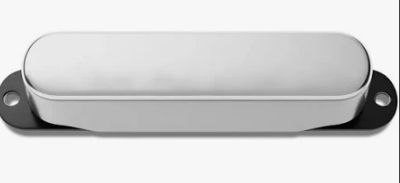
Mythic Odyssey Solaris Tele Fat Neck SC
The Mythic Odyssey Solaris Tele Fat Neck SC is designed for guitarists looking to enhance their Telecaster's neck position with a fuller low-end and pronounced midrange. Hand-wound in the USA, it features Alnico V magnets and a unique coil structure that provides a robust tone while maintaining clarity, making it suitable for a variety of musical styles, including blues and rock. Its durable construction ensures reliable performance, making it a practical choice for both studio and live settings.
View ProductRather have it done for you? Mythic Guitar Company handles custom guitar paint and finishing in the Austin shop, with pricing published up front.