
The Impact of Pickups Across Music Genres
· Wolf
Overview
Guitar pickups are essential for shaping the sound of electric guitars, influencing genres like blues, rock, jazz, and metal. Single-coil pickups are favored in blues for their bright tone, while humbuckers provide a thicker sound ideal for rock and metal. American-made pickups offer superior craftsmanship and customization options. Experimenting with different pickups can lead to unique sounds and enhance a guitarist's personal style. Understanding your genre and trying various pickups is key to finding the perfect sound.
Frequently Asked Questions
1. What are guitar pickups?
2. What are the main types of guitar pickups?
3. Why do blues guitarists prefer single-coil pickups?
4. How do humbucker pickups benefit rock and metal music?
5. What are the advantages of American-made guitar pickups?
6. What factors should I consider when choosing guitar pickups?
7. How do different pickups impact various music genres?
8. How do professional guitarists choose their pickups?
9. What is the significance of the 1954 Stratocaster pickups?
10. How can I find the right pickups for my sound?
11. What are guitar pickups and what role do they play?
12. What is a single-coil guitar pickup?
13. How do I choose the right pickups for my performance?
14. How does pickup positioning affect guitar sound?
Guitar pickups play a pivotal role in shaping the sound of an electric guitar. The choice of pickups can influence everything from the tone to the dynamics of the music being played. Understanding how different pickups interact with various genres of music can help musicians find the perfect sound for their playing style. In this article, we'll explore how guitar pickups affect genres such as blues, rock, jazz, and metal. We’ll also look into the attributes of guitar pickups made in America and their unique contributions to these musical styles.
Understanding Guitar Pickups
Before diving into their influence on musical genres, it’s essential to understand what guitar pickups are and how they function. Guitar pickups are electromagnetic devices located under the strings of an electric guitar. They capture the vibrations of the strings and convert them into electrical signals that can be amplified. The design, materials, and configuration of guitar pickups have a significant impact on the overall sound.
Types of Guitar Pickups
There are two primary types of guitar pickups: single-coil and humbucker. Both have distinct tonal characteristics that cater to different musical styles.
- Single-Coil Pickups: Known for their bright and sharp tone, single-coil pickups are commonly found in genres like blues and country. They tend to produce a clearer sound that can cut through the mix.
- Humbucker Pickups: Humbuckers deliver a warmer and thicker sound due to their design, making them popular in rock and metal genres. They also reduce unwanted noise and feedback, which is ideal for high-gain settings.
The Role of Pickups in Blues Music
When we talk about guitar pickups for blues, single-coil pickups often take center stage. Artists such as B.B. King and Stevie Ray Vaughan have shown how vital pickups are in producing those emotionally charged blues sounds.
Why Blues Guitarists Prefer Single-Coil Pickups
Single-coil pickups excel in delivering a snappy response with a pronounced mid-range, allowing guitarists to express their emotions through each note. The dynamic range provided by these pickups facilitates expressive techniques, such as string bending and vibrato, which are hallmarks of blues music. Moreover, they contribute to the characteristic "twang" associated with the genre.
Here's a breakdown of how pickups influence various aspects of blues music:
- Tone and Clarity: The bright and clear tone of single-coil pickups allows for articulate note playing.
- Dynamic Range: They provide the sensitivity needed for subtle variations in performance.
- Feedback Characteristics: While they can pick up unwanted noise, skilled players often embrace this for expressive solos.
Rock and the Power of Humbucker Pickups
Contrastingly, rock music often gravitates toward humbucker pickups. Their thicker and more powerful sound aligns well with the driving force of rock riffs and leads.
The Thick Sound of Rock with Humbuckers
Humbuckers excel at producing a heavier tone that can sustain notes longer, making them ideal for both rhythm and lead guitar roles in rock bands. Legendary guitarists like Slash and Jimmy Page have favored humbucker pickups for their powerful sound and versatility.
Here’s how pickups shape the rock genre:
- Powerful Sound: The increased output of humbuckers can drive amplifiers more effectively, creating that iconic rock crunch.
- Sustained Notes: The warmth and sustain of these pickups allow for longer-held notes that are essential in rock solos.
- Noise Reduction: Their design minimizes interference, making them durable in stage environments.
The Jazz Influence: Pushing Boundaries with Pickups
Jazz is another genre where guitar pickups play an integral role, though the preferences can vary widely among musicians. Some jazz guitarists lean toward the warm, smooth sound of humbuckers, while others may prefer the brightness of single-coils for a more traditional tone.
Pickups Transforming the Jazz Sound
Jazz guitarists often have unique tastes in pickups, reflecting their individual styles. The tonal characteristics provided by the pickups can aid in achieving more complex chord voicings and improvisational solos.
Consider the following aspects of guitar pickups in jazz music:
- Articulation: Instruments with single-coil pickups offer a clear articulation of complex chords and faster runs.
- Warmth: Humbuckers allow for a richer sound that suits many jazz sub-genres, from swing to bebop.
- Dynamic Nuance: The ability to control dynamics is vital, and both types of pickups lend themselves to expressive playing.
Metal and the Quest for Aggression
Metal music requires power and clarity, making humbucker pickups the preferred choice for most metal guitarists. The aggressive sound and heavy output from these pickups allow for the intense riffing and complex solos that define the genre.
The Perfect Match: Humbucker Pickups and Metal
Metal guitarists value the strong output and noise-cancellation capabilities of humbuckers, which allows for high-gain amp settings without unwanted interference. Guitarists such as Dimebag Darrell and Zakk Wylde have showcased the incredible potential of humbucker pickups in crafting iconic metal tones.
Here’s a closer look at how pickups impact the metal genre:
- High Gain Handling: The humbucker’s capacity to handle higher gain without feedback contributes to a solid metal sound.
- Rich Harmonics: They provide a robust low end and thick mid-range, ideal for powerful riffs and solos.
- Sonic Versatility: Many humbuckers are designed for versatility, accommodating styles from thrash to doom metal.
The Craftsmanship of American-Made Pickups
One significant aspect of guitar pickups worth discussing is the quality of craftsmanship, especially for guitar pickups made in America. American-made pickups are often associated with durability and tonal excellence, driven by skilled artisans and high-quality materials.
The Benefits of Choosing American-Made Pickups
Picking American-made pickups offers various advantages that can greatly enhance a guitarist’s experience:
- Quality Materials: American manufacturers prioritize high-grade materials, ensuring optimal sound and longevity.
- Superior Craftsmanship: The attention to detail and expert assembly that American brands provide can lead to unique tonal properties.
- Customized Options: Many American companies offer customization, allowing players to tailor pickups to their specific needs.
Experimenting with Pickups Across Genres
While understanding the typical pickup choices for different genres is essential, experimentation can also yield remarkable results. Some guitarists find success in using non-traditional pickups for their genre, challenging conventions and crafting unique sounds.
Creativity Knows No Bounds
For example, many rock guitarists experiment with single-coil pickups to achieve a fresher sound, while some blues players adopt humbuckers for added depth. The exploration of pickups can lead to distinctive tonal characteristics that set an artist apart.
Here’s why experimenting with pickups can be rewarding:
- Unique Sounds: Blending different pickup types can lead to innovative tones.
- Personal Style: Finding a signature sound becomes easier when you experiment rather than conform.
- Broadening Skillset: Understanding various pickups can enhance a player's overall musicianship.
Finding Your Perfect Pickups
The journey to discover the right guitar pickups for your genre takes time, experimentation, and exploration. Musical tastes evolve over time, and so do the preferences for pickups. It’s essential to consider your playing style and desired tonal characteristics when seeking to enhance your sound.
Here are a few tips for selecting the right pickups:
- Know Your Genre: Understand the genre you want to play and what pickups are commonly used within that genre.
- Try Before You Buy: If possible, sample different pickups in a guitar shop to see how they feel and sound in person.
- Consult with Professionals: Speak with experienced musicians or store professionals who can point you toward the best options based on your needs.
Matching Pickups to Genres
Now that you’re familiar with the basic types of guitar pickups, let’s take a deeper look into how these pickups can be matched with specific styles of music for optimal performance.
Rock and Metal
For rock and metal genres, the need for distortion and sustain is crucial. High-quality guitar pickups, especially humbuckers, deliver the thick, powerful tones that define the sound. Players often prefer pickups that can handle high gain without losing clarity. The combination of dual coils allows for a punchier sound that can cut through a mix effortlessly.
Blues
In blues, capturing the application of emotion in leads is essential. A mix of single-coil and humbucker pickups can achieve excellent results. Many players use single-coils in their guitars for that distinctive, sharp attack that can articulate subtle variations in playing dynamics.
Jazz
For jazz guitarists, smoothness and tone richness are critical. Generally, humbucker pickups are preferred for their ability to provide warmth and depth in sound. The rounded edges of a humbucker help create a full-bodied tone that works beautifully for clean or slightly overdriven sounds typically used in jazz.
Country
Country music often requires that bright twang and crispness; hence, single-coil pickups are a favorite among country guitarists. Their ability to pick up all the nuances of fingerpicking and flat-picking makes them ideal for this style. Many players switch between pickups to find that perfect sound to match their playing style.
Pop and Funk
In pop music, clarity, and punch are essential. Here, artists might use either single-coil pickups for their brightness or humbuckers for their thick, harmonious qualities. Funk players, in particular, might prefer single-coils for the sharp attack they offer, which compliments tight rhythmic playing.
Factors to Consider When Choosing Pickups
When deciding which pickups to use for a particular genre, several factors should be taken into account:
- Pickup Type: Decide between single-coils and humbuckers based on the sound you want to achieve.
- Output Level: Higher output pickups generate more power, which can be beneficial in styles like rock or metal.
- Tone Quality: Look for pickups that can provide the tonal character suited for your genre—bright for pop and vibrant tones and warm frequencies for jazz.
- Installation: Ensure the pickups can be easily installed on your guitar without significant modifications.
- OEM Guitar Pickups: Consider using OEM guitar pickups that are made to fit specific guitar models, offering great performance for your musical style.
Getting the Best Out of Your Pickups
Choosing the right pickups is just the beginning. To maximize their potential, you need to understand how to set up your guitar and amp effectively. Here are some tips to help you optimize your gear:
- Adjust Pickup Height: The distance between the pickups and the strings can greatly affect tone and output. Experiment with heights to find the ideal sweet spot.
- Experiment With Potentiometers: Changing the potentiometer values in your guitar can affect tonal response. Higher value pots can provide a brighter tone, while lower values can create a darker sound.
- Utilize Effects Pedals: Pairing pickups with the right pedals can enhance your sound. For instance, overdrive pedals work well with humbuckers, while delay and reverb can bring out the nuances of single-coils.
Choosing the Right Pickups for Your Genre
The choice of pickups greatly affects your tone and could even change how you approach playing your music. Here’s how you can go about selecting the right pickups for your genre:
Understand Your Sound Preference
Before deciding on a pickup, consider the sound you aim to achieve. If it’s bright and cutting, single-coil might be the way to go. On the other hand, if you prefer warmth and depth, humbucker could be the ideal choice.
Consider the Genre’s Requirements
Different genres inherently require different sound characteristics. Research the predominant sounds of your chosen genre and try to listen to different songs or live recordings to identify which pickups they may be utilizing.
Play with Different Options
If possible, try out different guitars equipped with various pickups. This hands-on experience will help you connect personally with the tonal distinctions, making it much easier for you to figure out what works best for your playing style.
Guitar Pickups: The Unsung Heroes of Tone
Before diving into the details of how guitarists choose their pickups, let’s take a moment to understand what pickups actually do. Guitar pickups are essential components that capture the vibrations of the guitar strings and convert them into electrical signals. This process ultimately influences the tone and sound you can produce, making the choice of pickups critical for any guitar player.
Why Pros Choose Specific Pickups
Professional guitarists approach the selection of their pickups with careful consideration of factors that influence their overall sound. Here are some key aspects that pros typically evaluate:
- Musical Style: The genre of music greatly influences pickup choice. For example, a jazz guitarist might opt for smoother humbuckers, while a singer-songwriter may prefer the clarity of single-coils.
- Amplifier Compatibility: The type of amplifier a guitarist uses can also greatly impact the overall tone. Certain pickup types may highlight or diminish specific qualities of an amp.
- Personal Preference: Ultimately, each guitarist has a unique playing style and tone they want to achieve. This subjectivity leads to diverse choices among pros.
Case Studies: Iconic Guitarists and Their Pickups
To further illustrate how professionals make their pickup choices, let’s examine a few iconic guitarists and the sounds they achieved through their preferred pickups.
The Legend of the 1954 Stratocaster
The 1954 Stratocaster is an iconic guitar model that has shaped the music landscape. Many legendary guitarists, including Jimi Hendrix and Eric Clapton, have relied on the unique tonal qualities offered by 1954 Stratocaster pickups. The bright, shimmering sound of its single-coil pickups was instrumental in defining the electric guitar sound of rock and roll.
Jimmy Page's Humbuckers
Led Zeppelin's guitar wizard, Jimmy Page, is another notable figure who preferred humbucker pickups. Known for his explosive riffs and heavy tones, Page often used a '59 Les Paul equipped with humbuckers, showcasing the rich harmonics and sustain critical to his sound. His choice exemplifies how personal style and musical intent shape pickup selection.
Testing and Experimentation: Finding Your Sound
Before settling on pickups, many guitarists engage in a process of testing and experimentation. This hands-on approach allows musicians to gauge the tonal differences and how they interact with their playing style and equipment. Here are a few strategies that pros use:
- Try Before You Buy: Many guitar shops offer the ability to test out different guitars with various pickups. Take advantage of this opportunity to find the tone that resonates with you.
- Swap Out Pickups: If your guitar allows it, consider replacing pickups to hear how different configurations affect your tone. This can be an exciting way to customize your instrument.
- Consult with Experienced Players: Engaging with other musicians and picking their brains about their favorite pickups can provide valuable insights and perhaps lead you to discover a sound you never considered.
The Influence of Guitar Pickup Construction
The way pickups are constructed significantly influences the sound. For instance, pickups utilizing materials and methods often touted as the standard for guitar pickups made in America can ensure quality. Here’s what to consider:
Magnet Type
The magnets used in pickups, such as Alnico or ceramic, each impart different tonal characteristics. Alnico magnets result in a vintage sound, while ceramic magnets deliver a more modern edge, perfect for those seeking punchier tones.
Winding Techniques
The number of wire turns around the pickup also plays a crucial role in determining the output level. Higher output pickups can drive amplifiers harder, which may be required for certain styles of music, while lower output pickups provide a more dynamic range and clearer articulation.
Pickups and Tone-Matching Effects
Many guitarists also consider how pickups work with effects pedals and processors to achieve their desired sound. Filters and electronic components can manipulate the signal from pickups in countless ways. The synergy between your guitar setup and your effects can lead to inspirational tones.
Understanding Pickup Impedance
Impedance rating is another technical specification that can influence your tone and how your guitar interacts with effects. A mismatch in impedance can lead to loss of signal clarity or unwanted noise, highlighting the importance of understanding these technical details when choosing pickups.
Inspiring Your Own Pickup Journey
As we’ve explored, choosing guitar pickups is more than a straightforward decision; it's an artistic process that involves collaboration between your sound preferences, style, and equipment. Professional musicians have paved the way through their innovative choices, leading to iconic sounds that have defined genres.
When embarking on your journey to discover your sound, remember to:
- Research pickup types extensively to find what resonates with you.
- Pursue opportunities to test out different pickups and guitars.
- Engage with fellow musicians, tapping into their experiences.
By learning from the pros and taking a methodical approach to your pickup journey, you can develop a tone that is unmistakably yours. Embrace the process, stay curious, and let the music guide you to the perfect sound!
The Art of Pickup Positioning
In addition to the type of pickup, the placement of these pickups on your guitar can also have a huge impact on tone. Generally, pickups are located at different positions along the guitar body: the neck pickup, the middle pickup, and the bridge pickup. Each location produces a distinct sound:
- Neck Pickup: Tends to create warmer, fuller tones. A favorite for rhythm playing and jazz styles.
- Middle Pickup: A balanced option that tends to emphasize clarity and brightness, making it versatile for different genres.
- Bridge Pickup: Produces sharper, more aggressive tones perfect for lead guitar work.
Experimenting with these positions during rehearsals can significantly enhance your live sound, allowing you to discover the nuances lost in different environments.
How Pickups Affect Your Live Sound
The type of guitar pickups you choose will directly influence your live performance. Depending on the guitar and amp settings, the single-coil guitar pickup can provide you with ample clarity for intricate solos, while humbuckers may provide a thicker sound for more powerful riffing. Here’s how the differences can manifest:
- Clarity and Definition: Single-coil pickups are ideal for maintaining note clarity, which is particularly essential for quickly played melodies or complex chord progressions.
- Frequency Response: The tonal characteristics of pickups play a crucial role in how the audience perceives your sound, especially in a full-band setting.
- Dynamic Range: Guitar pickups can respond dynamically to the nuances in your playing, allowing for subtle variations that enhance the live experience.
Powering Your Performance with Effects
As guitarists, we often employ various effects to craft our sound. The type of pickups you use will work in tandem with these effects, helping to shape your tone. Here’s how different pickups interact with popular effects:
- Overdrive and Distortion: Guitar pickups that push more output, such as humbuckers, tend to create a thicker sound when pushed through overdrive or distortion pedals. Single-coil pickups can yield a more articulate, defined crunch.
- Reverb and Delay: Single-coil pickups’ clarity can shimmer beautifully when combined with reverb and delay effects, making them a go-to for ambient sounds.
- Modulation Effects: Whether you’re using chorus or phaser pedals, the dynamics of your pickups can enhance the modulation effects, adding texture to your live sound.
The Role of Pickup Maintenance in Performance
No matter how high the quality of your pickups, they can be affected by wear and usage over time. Proper maintenance can keep your sound clean and consistent for your performances:
- Cleaning: Regularly clean the areas around your pickups to remove dust and grime that can affect sound quality.
- Adjustment: Tone can be adjusted by modifying the height of the pickups. Closer pickups produce a stronger signal, while lower pickups yield a softer sound.
- Replacing Old Pickups: As pickups age, they can lose their tonal characteristics. If you notice significant changes in sound, it may be time for a replacement.
Genre-Specific Pickup Recommendations
Each music genre thrives on unique characteristics. Below we’ll look at different genres and the ideal pickups to bring your sound to life.
Rock
Rock music often demands power and sustain. For this genre, many guitarists choose humbucker pickups, which deliver a robust tone with less interference from noise. The combination of warmth and clarity makes them perfect for guitar solos or heavy riffs. If you’re aiming for that classic rock sound, consider a dual-humbucker setup, which provides versatility across different styles.
Blues
For those who love the soulful sounds of blues, P90 pickups can deliver the gritty, punchy tone that this genre requires. Their unique tonal characteristics allow for expressive bends and subtle nuances, making your guitar sing with emotion. Pairing these pickups with a tube amp can enhance their warmth, yielding that perfect blues vibe.
Jazz
Jazz musicians frequently prefer the mellower tones produced by humbucker pickups or specially designed jazz pickups. These pick-ups reduce noise and provide a full-bodied sound, allowing for complex chords and rich melodies without interference. The versatility of jazz humbuckers caters perfectly to a wide range of jazz styles, from smooth ballads to upbeat swing.
Metal
In the world of metal, a greater emphasis is placed on high output and clarity. Guitar pickups made in America are often held in high regard for their manufacturing quality. Many metal players gravitate towards high-output humbuckers or active pickups, which provide increased sustain and aggression. The right set can help you achieve those searing leads and crushing rhythms that define metal music.
Country
Country music thrives on bright, twangy tones. Single-coil pickups, especially those found in a Stratocaster pickup set, are a favorite among country musicians. They excel at delivering that crisp, articulate sound and are perfect for fingerpicking or flat-picking styles. Combining these pickups with a good spring reverb will take your country sound to the next level.
Indie/Folk
Indie and folk genres often benefit from a more diverse range of tones. A mix of single-coil and P90 pickups allows musicians to explore various sounds and textures. The punchy attack from P90s can complement the lighter, airy tones of single-coils, resulting in a richly layered sound suitable for storytelling in songs.
Installing and Experimenting with Pickups
The installation of new pickups is an exciting venture into the world of tone crafting. While some guitarists choose to install their pickups themselves, others may prefer to enlist the help of a professional. Regardless of the route you take, experimenting with different pickups can lead to groundbreaking discoveries about your sound. Here are some tips for installation and experimentation:
Installation Tips
1. Gather Tools: Ensure you have soldering tools, wire strippers, and all necessary components before starting.
2. Watch Tutorials: There are ample video tutorials available online that guide you through the process step by step.
3. Professional Help: Don’t hesitate to seek help from an experienced technician if you're unsure about the process.
Experimentation Techniques
1. Trial and Error: Try different types of pickups within your genre to discover the tone that resonates with you.
2. Sounds in Layers: Consider combining different pickups with effects pedals to alter your sound further.
3. Play with Volume and Tone Knobs: Adjust your guitar's settings to find the sweet spot for each sound.
Maintaining Your Pickups for Longevity
Once you have your ideal pickups installed, maintaining them is essential to ensure they perform at their best. Here are some simple maintenance tips:
- Keep It Clean: Regularly clean your guitar and pickups to remove grime and dust that can affect sound.
- Avoid Moisture: Keep your guitar in a dry environment to prevent moisture-related damage to the pickups.
- Regular Checks: Routinely inspect wiring and connections to catch any potential issues early on.
Eric Clapton: The Master of Blues
Clapton's Stratocaster Pickup Set
Eric Clapton is renowned for his exceptional blues guitar playing. One of the secrets to his rich tone lies in the Stratocaster pickup set. Clapton has primarily used the Fender Stratocaster equipped with a set of single-coil pickups. These pickups deliver a bright, crisp sound that excels in both rhythm and lead playing.
Clapton’s choice of a Stratocaster pickup set allows him to highlight the subtleties and emotional nuances of his playing style. The bridge pickup on his Strat provides bite, while the neck pickup is known for its smooth, warm tone that complements his signature bends and slides.
Jimi Hendrix: The Pioneer of Psychedelic Rock
The Power of Single-Coils
When it comes to legendary guitarists, Jimi Hendrix is often at the forefront of any discussion. His use of the Fender Stratocaster and its single-coil pickups has become a cornerstone of rock music. Hendrix favored overwound pickups, which gave his guitar a powerful and unique voice.
With the help of these powerful pickups, Hendrix was able to achieve a wide range of sounds, from biting leads to lush, flowing chords. The single-coil pickups allowed him to manipulate his tone creatively, especially when combined with effects like fuzz and wah. The cutting presence of these guitar pickups allowed his music to soar above the noise of the era.
Jimmy Page: Tapping into Led Zeppelin's Sound
The Humbucker Revolution
Jimmy Page, the legendary guitarist of Led Zeppelin, took a different approach to his sound. Renowned for his use of humbuckers, Page’s choice transformed the standard guitar tone of the 1960s. While he often played a Les Paul, which is equipped with humbucker pickups, he also embraced various guitars throughout his career.
The humbucking pickups installed in Page’s guitars provide a warmer and thicker tone compared to single-coil pickups. This allowed him to achieve a more powerful sound, suitable for Zeppelin’s heavy riffs and epic solos. The reduced hum from these pickups also made it easier for Page to maintain clarity when layering tracks in the studio.
Stevie Ray Vaughan: Texas Blues Icon
The Blend of Stratocaster and Humbuckers
Stevie Ray Vaughan’s guitar tone is often described as one of the most powerful and soulful in blues history. Typically associated with a Fender Stratocaster, Vaughan took cues from both single-coil and humbucking pickups to create his signature sound.
Vaughan frequently modified his Stratocaster with a humbucker in the bridge position, utilizing a Stratocaster pickup set that gave him versatility in both clean and distorted tones. His ability to switch between these guitar pickups allowed for greater control over tonal dynamics, especially during his fiery solos.
Keith Richards: The Rolling Stones and His Unique Sound
Riff Master with a Twist
Keith Richards, the iconic guitarist of The Rolling Stones, has a distinctive sound that is synonymous with rock and roll. His choice of a telecaster equipped with single-coil pickups has played a pivotal role in shaping his tone. Richards often uses a “modified” technique that includes a blend of pickup selections that allows him to cut through a mix clearly.
Richards’ style involves using the bridge pickup for its sharp, biting tone, perfect for creating those legendary riffs. The versatility provided by his guitar pickups allows him to transition from a clean sound to distortion smoothly, embodying the raw essence of rock music.
How Pickup Choice Affects Tone
The type of pickups in a guitar plays a pivotal role in defining its sound. Understanding the differences between single-coil and humbucking pickups can help you make informed decisions as you refine your tone.
Single-Coil Pickups
- Bright and articulate sound
- Susceptible to interference and hum
- Excellent for clean tones and blues
Humbucker Pickups
- Thicker and warmer sound
- Noise-canceling properties
- Ideal for heavier genres like rock and metal
Experimenting with Your Own Sound
If you're looking to replicate the sounds of these iconic musicians, consider experimenting with their pickup styles. Modular pickup systems are widely available, allowing you to customize your guitar for your musical taste.
Additionally, while it’s inspiring to emulate legendary guitarists, don’t forget that the most crucial aspect of tone comes from your personal touch. Your techniques—how you pick, bend, and articulate notes—will significantly affect your sound, regardless of the guitar pickups you choose.
The Influence of Pickups on Different Genres
Now that we understand the basic types of guitar pickups, let’s delve into how they influence sound across various musical genres.
Rock
Rock music often demands a powerful and dynamic sound, which is where humbucker pickups shine. Thanks to their ability to deliver punchy, full-bodied tones with excellent sustain, humbuckers are a common choice among rock guitarists. They allow for blazing solos and heavy riffs to cut through the mix without losing clarity.
- High Output: Humbuckers can produce higher output levels, making them suitable for aggressive playing styles.
- Tone Variety: By experimenting with different output settings and modifications, guitarists can find their unique niche and tone.
However, single-coil pickups also find their place in rock. Artists like Jimi Hendrix and Eric Clapton have famously used single-coils to achieve a unique sound characterized by a thin, bell-like quality.
Blues
In the blues genre, tonal nuance and expression are paramount. Single-coil pickups are favored by many blues guitarists for their ability to produce a bright and sharp edge. The rawness and clarity of single-coils allow musicians to articulate their playing with emotion. Furthermore, they lend themselves well to techniques such as bending notes and utilizing a variety of effects.
- Sustain: Humbuckers are also common in blues, particularly for lead guitarists seeking longer sustain.
- Dynamics: The dynamic response of both types of pickups can be manipulated to enhance a player’s expressiveness.
Jazz
Jazz musicians often gravitate toward the warm, smooth tones produced by humbucker pickups. The fuller sound they provide blends perfectly with the genre's rich harmonic structures, allowing for a lush and warm atmosphere. That being said, some jazz guitarists also prefer single-coil pickups to achieve a brighter sound that can help highlight the intricacies of their playing.
Metal
For metal genres, high-output humbucker pickups are almost always the go-to choice. Their ability to handle high gain and maintain clarity at loud volumes is vital for producing the crushing rhythms and soaring solos typical of metal. Many guitarists pursuing the metal sound will also look towards an aftermarket guitar pickup upgrade to fine-tune their sound further and match their style perfectly.
Country
Country guitarists often utilize a combination of single-coil and humbucker pickups. Single-coils, especially Telecaster pickups, are prevalent for their bright and sharp tones that enable crisp leads and clean rhythms. They help showcase the twangy sound characteristic of the genre. However, many country artists also prefer humbuckers for finer control and added warmth when executing softer ballads or intricate solos.
Guitar Pickup Upgrades: What You Need to Know
If you’re looking to enhance your guitar’s tonal capabilities, considering a guitar pickup upgrade can be a wise decision. Following are some factors to consider when upgrading your pickups:
- Musical Style: Choose pickups that complement the specific genre you aim to play.
- Output: Ensure that the output level suits your desired sound—higher output for heavier genres, and lower output for styles requiring clarity.
- Magnet Type: The type of magnet (Alnico vs. ceramic) will influence tonal characteristics, so consider this when selecting pickups.
- Installation: Pickups may vary in terms of installation complexity. If unsure, consulting with a professional can be beneficial.
Lessons from Iconic Guitarists
Many iconic guitarists have crafted their signature sounds through deliberate pickup choices. Let’s examine a few legends and their pickup preferences, which can serve as a guide for your own musical journey.
Eric Clapton and the Quest for Clarity
Eric Clapton arguably ranks among the most influential guitarists ever. Throughout his illustrious career, Clapton has experimented with a range of guitars and pickups. He often favors Fender Stratocasters equipped with single-coil pickups, which provide the bell-like clarity he is famous for. The bright, articulate tones help him deliver his signature bluesy sound.
For aspiring players, emulating Clapton's tone might provide an incentive to explore single-coil options, particularly if you're inclined towards genres like blues or rock. The clarity offered by these pickups enhances your guitar's responsiveness, making each note resonate deeply.
Jimmy Page and the Power of Humbuckers
On the flip side, Jimmy Page, the powerhouse behind Led Zeppelin, is a fierce advocate for the warmer tones produced by humbuckers. His most notable guitar, a Les Paul, often features humbucker pickups that contribute to his heavy, layered guitar sound. This choice allowed him to explore a multitude of tones, from heavy riffs to mellow solos.
The thick, creamy tones that humbuckers deliver can be particularly useful for players hoping to achieve a similar dynamic range as Page. Exploring variants like the Mythic Odyssey Icon SH5 HB could yield satisfying results, especially for those diving deep into the realms of rock and heavy music.
Jimi Hendrix and the Art of Exploration
As a hallmark of electric guitar innovation, Jimi Hendrix regularly utilized Fender Stratocasters outfitted with single-coil pickups, showcasing his unique playing style and storytelling through music. His use of dynamics and effects exemplified the expansive capabilities of a single-coil setup.
For musicians aiming to express a broad emotional palette, the experimentation with sound that Hendrix pioneered can serve as a huge source of inspiration. By embracing a diverse selection of tones, you can explore songs not only through technical skill but also emotional depth.
The Final Note on Pickups and Genres
Understanding the influence of pickups across different music genres can transform your playing experience. Whether you aim for the crisp clarity of a single-coil in blues, the punch of a humbucker in rock, or the warm tones suited for jazz, the choice of pickups plays a foundational role in your sound. As you navigate through your musical journey, never hesitate to explore and experiment with your pickup options. Remember, it’s your sound — make it yours!
Linked Product
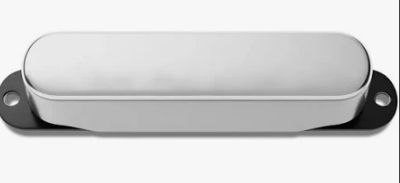
Mythic Odyssey Solaris Tele Fat Neck SC
The Mythic Odyssey Solaris Tele Fat Neck SC pickup is designed to enhance the tonal qualities of your Telecaster, particularly in the neck position. With its hand-wound construction and Alnico V magnets, it provides a fuller low-end and richer midrange, making it suitable for genres like blues and rock. This pickup offers a balanced sound that maintains clarity while adding warmth, making it a versatile choice for various musical styles.
View ProductRather have it done for you? Mythic Guitar Company handles pickup installation, wiring and electronics upgrades in the Austin shop, with pricing published up front.