
The Ultimate Guide to Understanding Guitar Pickups
· Wolf
Overview
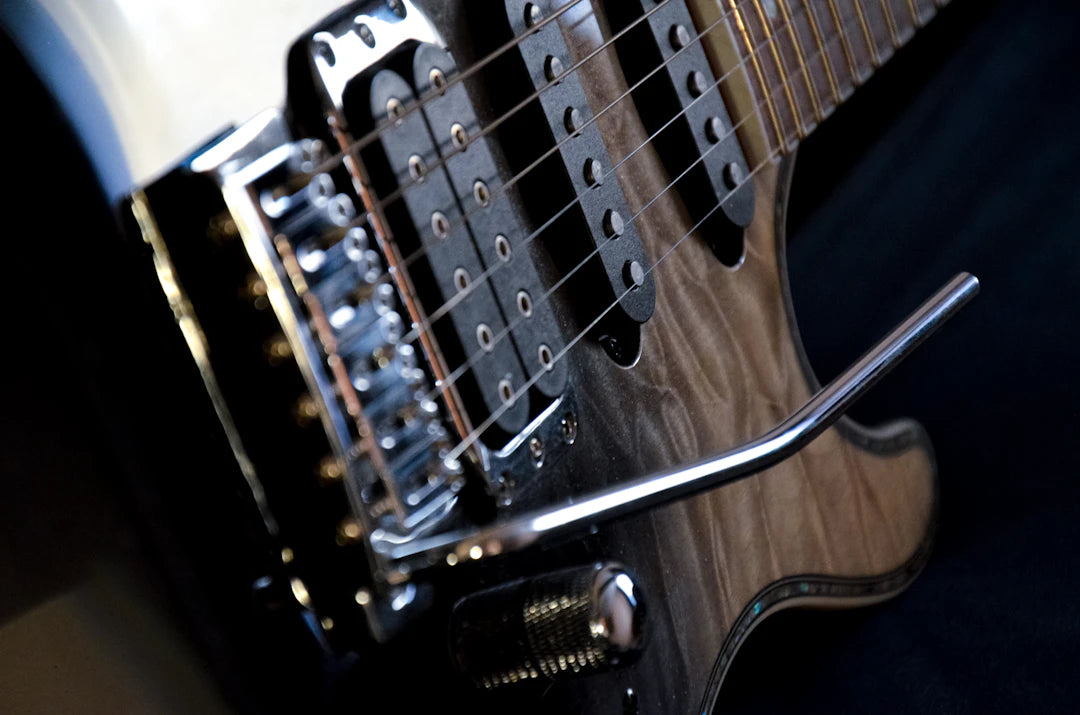
This blog explores guitar pickups, detailing what they are, the types (magnetic and piezo), and their configurations. It covers factors to consider when choosing pickups, the importance of placement, maintenance tips, and answers common FAQs. Understanding pickups can significantly enhance your guitar's sound and your playing experience.
Frequently Asked Questions
1. What is a guitar pickup?
2. What are the main types of guitar pickups?
3. What are single-coil pickups?
4. Can I change my guitar pickups myself?
5. Which pickup is best for beginners?
6. What are guitar pickups and how do they work?
7. Why should I consider custom guitar pickups?
8. How can I maintain my guitar pickups?
9. Where can I find reliable information about guitar pickups?
10. Which online forums are recommended for discussions about guitar pickups?
11. What role do YouTube channels play in understanding guitar pickups?
12. How can experimentation enhance my understanding of guitar pickups?
13. How does the position of pickups affect sound?
14. What considerations should I take into account when customizing guitar pickups?
Guitar pickups are arguably one of the most crucial components that affect the overall sound of your electric guitar. Whether you're a seasoned player or a beginner, understanding the different types of guitar pickups can elevate your playing experience. In this detailed guide, we will explore various types of guitar pickups, their functionality, and how they can impact your tone. So grab your Stratocaster pickup set, and let’s dive into the world of guitar pickups made in America!
What is a Guitar Pickup?
At its core, a guitar pickup is a device that captures the vibrations of the guitar strings and converts them into an electrical signal, which is then amplified to produce sound. There are various types of pickups, each with its own unique characteristics that contribute to a distinct tone. Understanding these differences is essential for making informed choices about your guitar's sound.
Types of Guitar Pickups
Guitar pickups can be broadly categorized into two main types: magnetic pickups and piezo pickups. While magnetic pickups are more common, piezo pickups have their merits, especially for acoustic guitars. Below, we’ll examine these types in more detail.
Magnetic Pickups
Magnetic pickups are the most popular type found on electric guitars, including the iconic Stratocaster. These pickups work by using magnets and coils of wire to generate an electrical signal. When the strings vibrate, they disturb the magnetic field, creating a voltage in the coil. There are various subtypes of magnetic pickups:
- Single-Coil Pickups: Known for their bright and crisp sound, single-coil pickups provide excellent clarity and articulation. They are commonly found on guitars like the Fender Stratocaster and Telecaster. However, one of their drawbacks is susceptibility to electromagnetic interference, resulting in unwanted noise.
- Humbucker Pickups: Designed to eliminate the hum associated with single-coil pickups, humbuckers consist of two coils wired together in opposite phases. This configuration cancels out noise, yielding a heavier, warmer tone. Humbuckers are often favored in genres like rock and metal for their thick sound and powerful output.
- Fat or Wide-Range Pickups: These pickups are often designed to offer a broader frequency response, which produces a fuller sound. They can provide complexity and depth to your playing, making them popular among guitarists looking for versatility.
Piezo Pickups
Unlike magnetic pickups, piezo pickups function based on pressure and vibration. Typically found on acoustic guitars or acoustic-electric models, piezo pickups are either mounted in the bridge or under the saddle of the guitar. They capture the tonal qualities of the wood and resonate uniquely, providing a more natural sound when amplified.
Understanding Pickup Configuration
The configuration of pickups on your guitar plays a vital role in shaping its sound. Guitars may feature single, double, or even triple pickups, with various combinations. Here’s a look at some common configurations:
Single Pickup Configuration
A guitar with a single pickup typically has a straightforward design, which makes it easy to play and maintain. It may also deliver a raw and direct tone, ideal for purists who appreciate simplicity.
Humbucker Only Configuration
This setup eliminates the harshness associated with single coils, resulting in a smoother and warmer sound. Perfect for rock, blues, and jazz enthusiasts, the humbucker-only configuration can provide a thick and dynamic tone.
Stratocaster Pickup Set Configuration
The classic Stratocaster pickup set typically features three single-coil pickups. This configuration allows for a broad range of tones, from bright and jangly to smooth and creamy. Players appreciate the versatility it brings, making it suitable for various genres, including pop, blues, and rock.
Humbucker/Single Coil Combination
This mixture allows you to have the best of both worlds. You can utilize the bright clarity of single-coils along with the warm depth of humbuckers. Many modern guitars take advantage of this configuration to cater to diverse playing styles.
Factors to Consider When Choosing Guitar Pickups
Now that you know the different types of guitar pickups and their configurations, it’s essential to consider factors when selecting pickups for your instrument:
- Musical Genre: Your choice of pickups should align with the genre of music you play. For instance, if you’re into rock, humbuckers might be your best bet, while blues and country enthusiasts might gravitate towards single coils.
- Output Level: Consider how much output you want from your pickups. Higher-output pickups are often better suited for heavier styles, while lower-output options can be ideal for cleaner tones.
- Sound Preferences: Think about the sound you desire. Are you looking for warmth, brightness, or shred capabilities? Experimenting with different pickups can help you find the perfect match for your sound.
- Installation and Compatibility: Before purchasing pickups, ensure they fit your guitar’s routing and overall setup. Some guitars require specific types that may necessitate modifications.
Guitar Pickups Made in America
When looking for quality, many guitarists turn to pickups made in America. These products are often known for their craftsmanship and attention to detail. American-made pickups can cater to a wide array of genres, providing you with reliability and consistency in tone. Brands that manufacture pickups in America often use high-quality materials and rigorous testing processes to ensure their products meet the demands of professional players.
The Importance of Pickup Placement
Where your pickups are positioned on the guitar can dramatically affect your sound. The two primary areas for pickup placement are the neck and the bridge:
Neck Pickup
The neck pickup usually produces a warm, mellow tone. It’s excellent for rhythm playing, jazz, and blues, as it captures more of the guitar's wood resonance and string vibration.
Bridge Pickup
Conversely, the bridge pickup offers a brighter, more cutting tone. It emphasizes the treble frequencies and is often used for soloing and lead playing. This pickup's powerful output is ideal when playing with distortion or with gain.
Maintenance Tips for Guitar Pickups
To keep your guitar pickups in top shape and preserve your sound, here are a few essential maintenance tips:
- Regular Cleaning: Dust and grime can accumulate on your pickups over time. Use a soft cloth to gently wipe them down and keep them clean.
- Check Height Adjustments: The distance between your pickups and strings can affect the sound. Too far away may lead to weak output, while being too close can cause distortion. An ideal distance typically ranges from 1/16” to 1/8”, but feel free to adjust based on your tone preferences.
- Keep Electronics in Good Condition: Take the time to inspect the wiring and connections. If you experience issues, consider consulting a professional to ensure everything is functioning correctly.
FAQs About Guitar Pickups
Can I change my guitar pickups myself?
While it’s possible to change pickups yourself, it does require some technical knowledge of wiring and soldering. If you're not confident, it's best to seek help from a professional technician.
Which pickup is best for beginners?
For beginners, single-coil pickups are often recommended due to their straightforward operation and affordability. However, the choice really depends on the musical style you wish to pursue.
How do I know if I need new pickups?
If you notice a significant change in tone, reduced output, or other performance issues, it may be time to replace your pickups. Additionally, if you're looking to change your tone significantly, consider upgrading!
The Appeal of Custom Guitar Pickups
Custom guitar pickups provide an opportunity for players to personalize their sound and enhance their playing experience. Whether you seek a specific tone or are looking to match a particular aesthetic, custom pickups can meet your needs.
Reasons to Consider Custom Pickups
Here are some compelling reasons to consider investing in custom guitar pickups:
- Tonal Versatility: Custom pickups can help you achieve a unique sound that matches your style, whether you play blues, rock, jazz, or metal.
- Aesthetic Appeal: The right custom pickups can greatly enhance the visual aspect of your guitar, contributing to its overall beauty.
- Quality Craftsmanship: Many custom pickups are made in America, using high-quality materials and expert craftsmanship, ensuring that you receive a top-notch product.
- Personalization: Every guitarist has a different playing technique and tone preference. Custom pickups allow you to tailor your gear precisely to your needs.
Understanding Pickup Specifications
When it comes to customization, understanding the specifications of pickups is crucial. Here are some key factors to consider:
Magnet Types
The type of magnet used in a pickup affects its sound profile and responsiveness. Common magnet types include:
- Alnico: Made from aluminum, nickel, and cobalt, these magnets provide a warm, vintage tone.
- Ferrite: Known for more modern, aggressive tones, ferrite magnets are often found in active pickups.
Winding Techniques
The way coils are wound can also influence sound. Different winding techniques can create varied resistance levels and tonal characteristics. Some guitarists may prefer the unique sound of scatter-wound pickups, while others might favor tightly wound coils for a brighter tone.
Resistance and Output
Resistance, measured in ohms, affects the strength of the pickup's signal. Higher resistance typically yields greater output, often leading to a thicker sound.
The Impact of Guitar Pickups on Your Playing Style
The pickups in your guitar can drastically affect your overall playing experience and style. Choosing the right pickups can encourage you to experiment with new techniques and genres.
Experimenting with Different Genres
Different pickups can enhance your sound for various genres:
- Rock: Humbuckers can provide the depth and sustain needed for powerful riffs.
- Blues: Single-coil pickups can achieve the twangy sounds that characterize classic blues music.
- Jazz: Smooth, warm sounds from P90s or humbuckers are perfect for jazz guitarists.
Your Journey to Unique Sound
Custom guitar pickups are your ticket to a signature sound. As you explore different types and configurations, you’ll find what resonates most with your style. Take your time, experiment, and invest in pickups that complement your playing.
Community and Resources for Guitar Pickup Enthusiasts
Engaging with the guitar community can provide valuable insights into your journey with pickups. Online forums, social media groups, and local guitar shops often host discussions that can deepen your understanding of pickups.
Joining the Conversation
Whether you're sharing your experiences or seeking advice, several platforms can bring together guitar enthusiasts:
- Online Forums: Websites like The Gear Page and Ultimate Guitar have sections dedicated to guitar pickups.
- Social Media: Follow hashtags like #GuitarPickups on Instagram or join Facebook groups focused on guitars and gear.
- Local Meetups: Check for guitar workshops or events in your area to network with other players.
The Importance of Reliable Information
With the rise of digital media, anyone can publish content online. While this accessibility is beneficial, it also means that misleading or incorrect information can spread quickly. When it comes to guitar pickups, misinformation can affect your tone, performance, and ultimately, your enjoyment of playing. Understanding where to find accurate and reliable information elevates your guitar journey and helps you make sound decisions about gear, modifications, and setups.
Online Forums and Communities
One of the best places to start your quest for reliable information on guitar pickups is through online forums and communities. These spaces unite guitar enthusiasts who share their experiences, recommendations, and expertise. Here are some active platforms to consider:
Subreddits like r/guitar and r/guitarlessons are treasure troves of information. Users frequently discuss their favorite Stratocaster pickup sets, their setup processes, and the best sources for guitar pickups made in America. Engaging in discussions on these platforms allows you to interact with fellow players and seek their advice.
Guitar-Specific Forums
There are numerous forums dedicated solely to guitars and guitar gear. Websites like The Gear Page and Ultimate Guitar attract experienced players and industry professionals. Look for threads that focus on pickups, as these often contain valuable insights and links to credible resources.
YouTube Channels and Video Tutorials
Video content has exploded in popularity, and YouTube is a fantastic resource for visual learners. Many guitarists and gear experts have established channels focused on guitar pickups. Here’s what to look for:
Channel Recommendations
Search for channels like Sweetwater, Andertons Music Co, and GuitarLessonsDotCom. These channels provide tutorials, product reviews, and in-depth discussions on various guitar components, including pickups. They often conduct side-by-side comparisons, which allow you to hear tonal differences between guitar pickups made in America and other options.
Focus on Reviews and Comparisons
When watching product reviews, ensure the channel hosts credible musicians. A reliable reviewer typically provides unbiased opinions and clear demonstrations, allowing you to gauge sound quality effectively.
Online Music Stores and Blogs
Reputable online music stores often maintain blogs that feature expert advice on gear and accessories. Here’s how to leverage these resources:
Known Retailers
Websites like Sweetwater, Guitar Center, and Musician’s Friend not only sell guitar pickups, but they also publish informative articles. These blogs can help you navigate the extensive world of guitar pickups and provide tips on selecting the ideal Stratocaster pickup set or other pickups that align with your style.
Search for Articles
When visiting these sites, look for sections labeled "Resources" or "Blog." Use their search functions to find specific articles on guitar pickups that discuss tone characteristics, installation tips, and sound tests. Most importantly, reputable online music stores tend to update their content regularly, which often includes the latest trends in the industry.
Social Media and Influencer Content
Social media isn't just for selfies; it's an influential medium for finding reliable information on guitar gear. Keep an eye on guitar influencers and musicians who share valuable content through various platforms.
Instagram and TikTok
Instagram and TikTok have become hotspots for sharing quick tips, gear reviews, and sound demonstrations. Follow musicians and gear experts who regularly post about guitar pickups. Often, influencers will showcase unique setups, including their favorite Stratocaster pickup sets, thereby providing immediate access to sound examples.
Podcasts and Live Q&A Sessions
Podcasts have surged in popularity, and many are dedicated to music and gear discussions. Consider tuning into shows that focus on guitar technology and player insights. Some may even host live Q&A sessions, allowing you to engage directly with industry veterans and ask specific questions about guitar pickups made in America.
Books and Publications
While much of the information about guitar pickups is available online, don't overlook traditional books and magazines. You can find in-depth discussions, historical contexts, and technical advice that online sources may miss.
Recommended Reading
Look for books like the popular "Guitar Pickup Wiring" by the famous musician Joe M. who provides extensive insights into the technical aspects of pickups. Another fantastic resource is "The Guitar Amplifier Player's Guide" which covers a broader range of guitar topics, including pickups. Magazines like Guitar Player also regularly feature articles about gear and equipment reviews that can offer reliable information about current trends.
Manufacturer Websites and Technical Manuals
Sometimes the best source of information comes directly from the manufacturers of the pickups themselves. Reputable companies often provide extensive technical manuals and specifications, helping you understand their products better.
Explore Brand Websites
Visit the official websites of companies known for premium guitar pickups. They frequently offer detailed product descriptions and user guides. Websites from trusted brands include sections for customer support and FAQs, providing additional insights into installation processes and troubleshooting tips.
The Art of Experimentation: Your Own Insights
While you have a wealth of resources at your fingertips, remember that the best way to understand guitar pickups is through experimentation. Each player has unique preferences, tastes, and styles. Here’s how to cultivate your findings:
Testing Different Pickups
Whenever possible, try out various pickups in different guitars. Visit local music stores, meetups, or jam sessions where you can interact with fellow players. Testing different Stratocaster pickup sets and observing how they perform with different amp settings will immerse you in the world of guitar tones.
Document Your Journey
Keep a journal of your findings. Taking notes on how each pickup alters your guitar’s tone will refine your understanding and allow you to make informed decisions when shopping for gear. Over time, you may develop personal preferences that lead you toward specific brands or models.
Understanding the Pickup Construction
The construction of guitar pickups significantly affects their sound. Let's break down the key components:
Coils
The coils in a pickup are essential for capturing sound. Typically, pickups contain one or two coils of wire wrapped around a magnet. The number of coils and the gauge of wire can dramatically influence the output and tone. Thicker wire can lead to a more robust sound, while thinner wire may provide clarity and brightness.
Magnets
The type of magnet used in a pickup also plays a critical role. Alnico (aluminum, nickel, and cobalt) magnets are common in vintage-style pickups, contributing to a warm, classic sound. Ceramic magnets, on the other hand, usually offer a higher output and a more aggressive tone, making them suitable for heavier music genres.
Baseplate
The baseplate supports the coils and may affect the tonal qualities of a pickup. A metal baseplate can enhance sustain and resonance, while a plastic baseplate may keep the sound more focused.
The Role of Pickup Position
The position of the pickup on the guitar affects its tonal characteristics. Let’s explore how different placements can influence the sound:
Neck Pickup
The neck pickup generally produces a warmer sound with increased bass response. This makes it ideal for playing jazz or softer melodies, as it captures the body resonance of the guitar.
Bridge Pickup
Conversely, the bridge pickup tends to deliver a brighter and sharper tone. It’s great for cutting through the mix during solos and is preferred for heavier genres. The bridge position also tends to emphasize higher frequencies.
Middle Pickup
Found on guitars with three pickups, the middle pickup can blend the characteristics of both the neck and bridge pickups, offering a balanced tonal quality. It’s often utilized for rhythm playing and shimming between genres.
The Impact of Windings and Resistance
The number of windings around the coils influences the resistance and output of the pickup. In general, pickups with more windings produce a stronger signal but can suffer from clarity. Here's how different winding configurations can affect your tone:
- Low Output: Typically cleaner and brighter, suitable for clean tones and genres like jazz.
- Medium Output: A versatile choice, often found in standard configurations for rock and blues.
- High Output: Perfect for heavy genres; provides a robust tone with significant sustain.
Pickup Wiring Configurations
Understanding pickup wiring configurations is essential for customizing your guitar’s sound. Let’s break down the main configurations:
Series vs. Parallel
In a series configuration, the magnetic fields of two pickups are combined, resulting in a higher output and more pronounced mid-range frequencies. Conversely, a parallel configuration maintains clarity and balance, producing a brighter tone but with lower output.
Coil Splitting and Tapping
Many humbucker pickups feature coil-splitting options that allow guitarists to access single-coil sounds. This versatile feature enhances your guitar's tonal range, making it more adaptable for various musical styles.
How to Choose the Right Pickup
Choosing the right pickup is a multi-faceted decision. Here are some factors to consider:
Musical Style
Determine the genres you predominantly play. If you're into rock or blues, vintage Stratocaster pickups or P90s may appeal to you. For metal, consider high-output humbuckers.
Playing Technique
Your playing style is crucial in choosing the right pickups. If you favor clean notes and articulate runs, single-coils may suit you best. Alternatively, if you play heavy riffs and solos, humbuckers might provide the necessary power.
Compatibility with Your Guitar
Ensure that the pickups you choose are compatible with your guitar body and style. Different guitars are built to accommodate specific types of pickups, so research before making a purchase.
How Guitar Pickups Affect Sound
Each pickup type significantly influences a guitar's overall sound. Here are a few ways that the choice of pickup can affect your tone:
- Clarity: Single-coils generally provide bright and clear tones, ideal for clean vintage sounds.
- Warmth: Humbuckers deliver warmth and thickness, perfect for distorted sounds.
- Dynamic Range: P90s offer a unique range between the two, making them versatile across music styles.
Passive vs. Active Pickups
Another essential aspect to explore is the distinction between passive and active pickups. Both have unique characteristics, and understanding them can help you make better choices tailored to your preferences.
Passive Pickups
Passive pickups do not require a battery. They rely on the electromagnetic properties of the coils. Passive pickups are favored for their natural sound and dynamic responsiveness. Musicians appreciate their ability to interact with effects pedals and amplifiers, offering a broad tonal palette.
Active Pickups
Active pickups, in contrast, use onboard preamps powered by batteries. They typically offer higher output, increased clarity, and reduced noise. However, some players prefer the organic feel of passive pickups, arguing that active pickups can sound too sterile for certain musical applications.
Installation and Replacement
Installing or upgrading your guitar pickups may seem daunting, but it can be a rewarding venture for DIY enthusiasts. Here’s a simple overview of what the process typically involves:
- Gather Your Tools: You’ll need soldering tools, a screwdriver, and a multimeter to check wiring continuity.
- Remove the Strings: Start by taking the strings off to access the pickups easily.
- Unscrew the Pickups: Carefully remove the screws that hold the pickups in place.
- Desolder the Wiring: Carefully desolder the wires connecting the pickups to the guitar's electronics.
- Solder New Pickups: Follow the wiring diagram of your new pickups and solder them into place.
- Reassemble Your Guitar: Replace everything as it was and restring your guitar.
For those unsure about their skills, consulting a qualified technician for installation is always advisable. A professional touch can also ensure that the pickups are installed optimally for the best sound.
The Anatomy of a Pickup
Understanding the various components of a guitar pickup can help demystify the differences in sound and performance. Here are the key elements:
-
Magnet:
The core of the pickup, which creates the magnetic field. -
Coil:
The wire wound around the magnet; the number of turns can affect the output level. -
Cover:
Some pickups have a cover, impacting aesthetics and tone. -
Baseplate:
This provides stability and can also contribute to tonal differences.
Installing Your Pickups
Once you've chosen the perfect pickups, the next step is installation. While some players might opt for DIY methods, consulting with a professional technician can ensure optimal performance. Here’s a quick overview of the installation process:
-
Remove the strings:
Before beginning, remove your guitar strings to avoid damage. -
Access the pickups:
Depending on your guitar, you may need to remove the pickguard or backplate. -
Unplug the old pickups:
Carefully disconnect the wires from the old pickups. -
Install new pickups:
Connect the new pickups by following the previous wiring or schematic carefully. -
Test and tune:
After installation, test your pickups and ensure everything is working correctly before restringing.
Maintaining Your Pickups
Pickups are a long-term investment in your guitar sound, and maintaining them is essential for optimal performance. Here are a few tips:
-
Keep them clean:
Regularly wipe down the pickups with a soft cloth to remove dust and grime that can affect sound quality. -
Check wiring:
Periodically inspect connections for any signs of wear or loose wires. -
Avoid extreme conditions:
Keep your guitar in a stable environment to prevent damage to your pickups.
Discovering Your Unique Sound
The beauty of guitar pickups lies in their ability to shape your musical expression. With a plethora of options available, such as the "Mythic Odyssey Icon SH14 HB" and a variety of american guitar pickups, every guitarist can find their ideal sound palette. Experimenting with different types, positions, and combinations can be incredibly rewarding, pushing the boundaries of creativity in your music.
As you explore various pickups, don't forget that your instrument is an extension of yourself. Take time to listen, feel, and adapt to the nuances of each pickup model. Whether you are playing in a garage band or the local coffee shop, finding the right pickups will elevate your sound and enhance your playing experience.
The Art of Pickup Design
Pickup design is both an art and a science. It requires a deep understanding of materials, magnetics, and acoustics to create a product that not only functions well but also resonates with musicians. The importance of high output guitar pickups cannot be overstated, as they play a crucial role in determining the overall sound quality and responsiveness of a guitar.
Understanding the Basics
The most fundamental aspect of any guitar pickup is how it converts string vibrations into electrical signals. This process is influenced by various elements, including:
- Magnet Type: Different magnets (ceramic, alnico, etc.) produce unique tones.
- Coil Winding: The number of coils impacts the pickup's output and sound texture.
- Wire Gauge: Thinner wire can yield a brighter sound, while thicker wire enhances depth.
Each of these components must be carefully considered and beautifully harmonized to achieve the desired sonic outcome. Pickup designers often experiment with combinations of these elements until they reach a sound that ‘just clicks.’
Crafting High Output Guitar Pickups
High output guitar pickups are highly sought after by musicians looking to achieve rich tones, more dynamic range, and powerful performances. According to our interviews with pickup designers, there are several techniques and methodologies that they rely on when crafting these exceptional components.
Choosing the Right Materials
The selection of materials is critical in ensuring that high output pickups perform at their best. A designer might explain that the type of magnet used, as well as the wire and bobbin materials, play vital roles in determining both the tonal characteristics and overall output of the pickup. For example, a designer might opt for strong ceramic magnets to achieve a higher output level, which is perfect for genres like rock or metal.
The Importance of Winding Techniques
How a pickup is wound heavily influences its sound profile. Some designers prefer to use machines for precision, while others may utilize hand-winding methods to infuse a personal touch. Hand-wound pickups often have slight variations that can generate unique tones that resonate with musicians. The winding process can be meticulously adjusted to create the desired resistance and output level, making it a crucial skill for designers targeting high output guitar pickups.
The Influence of Technology in Pickup Design
As in many other industries, technology plays an important role in the evolution of guitar pickup design. From advanced CAD software that allows designers to create intricate sketches to 3D printing techniques, modern tools are reshaping the way pickups are manufactured.
Precision Engineering
One key advancement is precision engineering, which helps ensure that every pickup is manufactured to exact specifications. This level of accuracy makes it easier to replicate successful designs consistently. As one designer puts it, “With modern tools, we can take the guesswork out of the equation and focus on creativity and sound.”
Upscaling Production
Another advantage of modern technology is scalability. While bespoke custom guitar pickups usually require significant time and effort to produce, technology offers the possibility of streamlining the process, enabling designers to meet demand without sacrificing quality. This innovation allows more musicians to create an individualized sonic experience without waiting weeks or even months for their pickups to be crafted.
Future Trends in Pickup Design
As the music industry continues to evolve, the landscape of pickup design will undoubtedly follow suit. Designers reflect upon the trends shaping future pickup innovations, including a focus on sustainability and adaptability.
Eco-Friendly Materials
Environmental consciousness is becoming an increasingly important consideration for many manufacturers. Some pickup designers are looking into sustainable materials that can offer the same quality and performance as traditional options. This shift is not just about being trendy—it's about ensuring the music-making world operates within a sustainable framework.
Smart Pickups
Another exciting trend on the horizon is the development of smart pickups. Traditional pickups transform string vibrations into electrical signals—the next phase promises additional functionality, such as built-in effects or digital capabilities. This integration could redefine how we think about guitar tone and sound manipulation.
Sparking Your Musical Journey
Understanding the different types of guitar pickups can profoundly impact your sound and playing style. From the bright, clean tones of single-coil pickups to the warm, rich sound of humbuckers, there are endless possibilities waiting for you to explore. By selecting the right pickups and configurations that suit your unique style, you can unlock your guitar's full potential! So get out there, experiment, and find the sound that inspires you every time you play!
Linked Product
Mythic Odyssey Traditions 1957 Stratocaster Pickup Set
The Mythic Odyssey Traditions 1957 Stratocaster Pickup Set offers a classic tone that is ideal for musicians looking to replicate the sound of vintage Stratocasters. Designed for easy installation, these pickups enhance the clarity and warmth of your guitar's sound, making them suitable for various genres. Whether you're a beginner or an experienced player, this set can help you achieve a well-rounded tonal profile that complements a wide range of playing styles.
View ProductRather have it done for you? Mythic Guitar Company handles pickup installation, wiring and electronics upgrades in the Austin shop, with pricing published up front.